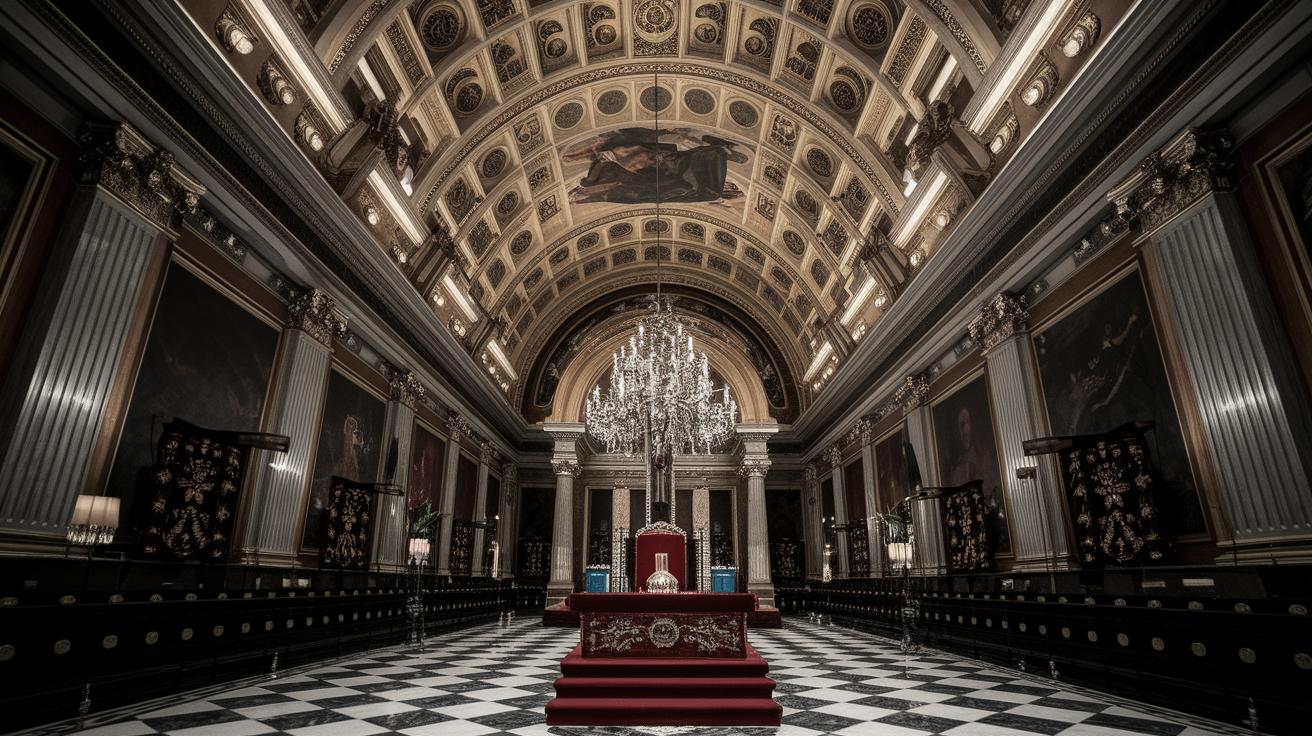
The Papal Conclave: Insights and Expectations
Every papal conclave draws significant global attention as it convenes to elect the new leader of the Catholic Church. This process, steeped in centuries of tradition, not only influences the direction of the Church but also captures the interest of people worldwide. As we approach the 2025 conclave, many are curious about its start date, duration, and historical context. This article delves into when the conclave begins, examines the typical timeframe for electing popes, and explores the symbolism of the conclave’s rituals. With Pope Francis at the helm, the upcoming conclave promises to be a pivotal event in the Church’s history.
When does the 2025 papal conclave start?
The start date of the 2025 papal conclave has yet to be officially announced, as it often depends on the preceding Pope’s resignation or death. Historically, the College of Cardinals leads the efforts to organize the conclave, ensuring that all cardinals can convene in Vatican City. The timing respects both the past Pope’s legacy and the logistical requirements for such a significant event. Typically, conclaves begin between 15 to 20 days after the seat becomes vacant.
These days allow the cardinals to arrive from all corners of the globe, fostering a period of reflection and prayer. This preparation is critical, as the conclave not only elects a new pope but also affects the spiritual direction of over a billion Catholics worldwide. Thus, while the precise date remains uncertain for now, the timeframe generally adheres to established tradition to ensure a well-considered decision.
How long have conclaves taken to choose new popes in the past?
The duration of past conclaves has varied significantly, contingent upon political, social, and religious contexts. The longest conclave on record, the papal election of 1268–1271, lasted nearly three years. Conversely, some conclaves, such as the 1939 one that elected Pope Pius XII, concluded in merely a couple of days. Throughout history, the average length tends to span a few days to a week.
Factors influencing duration include the number of candidates, the level of consensus among the cardinals, and the procedures adapted to ensure a fair election. In recent times, the conclaves generally conclude faster than in centuries past due to improved communication and streamlined voting processes. The goal remains a timely yet thorough selection that honors the conclave’s sacred purpose.
How long is the 2025 papal conclave expected to last?
Predicting the exact length of the 2025 papal conclave involves speculation, though past patterns provide a guideline. Given the contemporary conclaves’ trend of efficiency, many expect a duration of a few days, provided the cardinals reach a consensus swiftly. The structure of the voting system favors a quicker outcome, with rounds of voting occurring two to four times daily until a new pope is chosen.
Factors that could extend this period include diverse perspectives among the cardinals or more contentious debates over the Church’s future direction. The preferred candidates’ alignment with the Church’s current vision, as influenced by Pope Francis, may also affect the timeline. Ultimately, while a shorter conclave is expected, the complexity of the decision allows room for unpredictability.
Why does the papal conclave use white smoke?
The use of smoke as a signal in the papal conclave traces its roots back to the early 20th century, when it was formalized as a communication method for the awaiting public. Black smoke indicates that no decision has been made, while white smoke signals that a new pope has been elected. This practice combines tradition with practical communication, symbolizing clarity in the midst of uncertainty.
The white smoke emerges through burning the ballots with chemicals that ensure a white color, following exhaustive and confidential voting sessions. This age-old tradition transforms a hidden process into a tangible announcement, bridging the gap between the sacred rituals inside the Sistine Chapel and the global community watching from afar. Its visual symbolism reinforces the unity and collective witness of the Catholic followers.
Pope Francis & 2025 Papal Conclave
Pope Francis, born Jorge Mario Bergoglio, became pope in 2013, marking a new era for the Catholic Church with a focus on humility, inclusivity, and reform. His papacy, characterized by its progressive outlook, influences the criteria and expectations for his successor. As the conclave approaches, there’s considerable speculation about how his legacy will shape the priorities and selection of the next pope.
Given Pope Francis’s emphasis on social justice, environmental stewardship, and interfaith dialogue, the College of Cardinals may prioritize candidates who align with these values. His tenure’s global impact sets a precedent for the Church’s continued evolution, and the 2025 conclave’s outcome may chart the course for years to come. Consequently, the conclave represents not only a pivotal leadership transition but also a testament to Pope Francis’s enduring influence.
Future Prospects
| Aspect | Details |
|---|---|
| 2025 Conclave Start | Pending official announcement; generally begins 15-20 days after Papal seat is vacant. |
| Past Conclave Durations | Varies from 2 days to 3 years, often a few days to a week in modern times. |
| Expected Duration | Predicted to last a few days based on recent patterns, yet factors could lead to variations. |
| Smoke Signal Tradition | White smoke symbolizes new papal election; black smoke indicates continuation of voting. |
| Pope Francis’s Influence | Emphasizes reform, social justice; his legacy likely impacts candidate selection. |