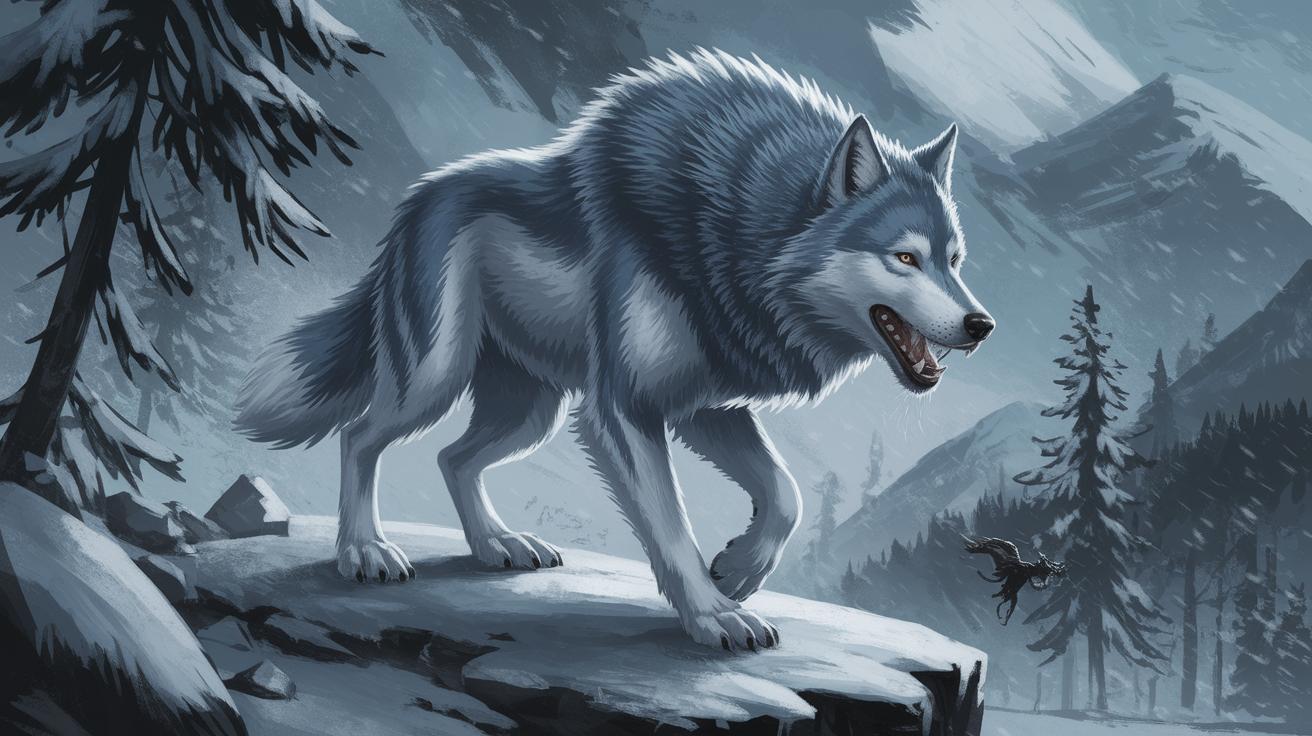
Dire Wolf Resurgence: A Journey Through Time and Ethics
In a fascinating and controversial scientific development, Colossal Biosciences is endeavoring to bring back extinct species, starting with the dire wolf. Though this project carries immense intrigue and potential, it has ignited heated debates among scientists, conservationists, and ethicists worldwide.
This article delves into the reasons behind Colossal’s ambitious project, the controversy surrounding the newly born dire wolves, and the questions about the authenticity of these recreated animals. It also examines the potential unintended consequences of such actions and peeks into the company’s future plans for other extinct species. As we navigate through these complex issues, we’ll uncover the implications for biodiversity and planetary stewardship.
Why is Colossal attempting to bring back extinct species?
Colossal Biosciences, a biotechnology company, is at the forefront of de-extinction efforts. Their primary motivation is rooted in the ambition to harness cutting-edge genetic science to restore lost biodiversity and contribute to ecological balance. By reviving species like the dire wolf, Colossal hopes to reintroduce predators that can play vital roles in their respective ecosystems, thereby promoting healthy vegetation and prey populations.
Another driving factor is the potential to pioneer new genetic technologies that could bolster conservation efforts. Reviving extinct species serves as a high-profile proof of concept for these advancements, possibly accelerating genetic solutions for endangered species. Moreover, the ethical argument for de-extinction is that humans have directly or indirectly caused many extinctions, and there’s a perceived obligation to rectify these ecological disruptions.
No question, the dire wolves born by Colossal Biosciences are super-cute and growing into stately animals. But some experts question whether they are dire wolves or should have been born at all.
The public was charmed by the first images of newborn dire wolves flashing across screens. They opened up nostalgic avenues, providing a semblance of what life might have looked like thousands of years ago. As they grow, these majestic creatures are capturing hearts worldwide, but not without stirring controversy among experts concerned about the scientific and ethical implications of their existence.
Critics argue that despite the physical resemblance, the resurrected dire wolves may possess only a fraction of the behavioral and ecological roles of their ancestors. Genetic differences are inevitable, leading to questions about whether these animals can genuinely be considered dire wolves. There is also the ethical dilemma surrounding the creation of animals that have been naturally phased out, questioning humanity’s right or necessity to reverse nature’s course.
Why is Colossal calling these dire wolves, when they are not?
While the project is groundbreaking, it sparks debate about nomenclature and authenticity. The truth is that today’s dire wolves, products of selective genetic engineering, are not carbon copies of their extinct ancestors. Colossal’s reliance on fragmented ancient DNA necessitates filling the gaps with genetic material from modern relatives, like gray wolves. This introduces discrepancies between the original dire wolf DNA and that of the new specimens.
However, Colossal defends their naming by emphasizing that these wolves represent the closest living approximation of the extinct creature. In their view, the utility of the term “dire wolf” lies in its ability to provoke public interest and awareness around extinction and preservation, rather than serving as a scientifically precise label.
What about the unintended consequences?
De-extinction endeavors carry the risk of unforeseen ecological and genetic repercussions. One concern is the potential for these recreated species to become invasive, disrupting current ecosystems and outcompeting extant species for resources. The ecological balance could be offset in unpredictable ways, necessitating careful monitoring and adaptive management strategies to mitigate negative outcomes.
Additionally, introducing species that have been absent for millennia may lead to microevolutionary shifts, impacting current biodiversity in ways that scientists are not yet equipped to predict. There could also be socio-economic consequences, such as the re-allocation of resources from conserving endangered species to managing resurrected ones, fundamentally altering contemporary conservation paradigms.
What is the next extinct species Colossal is going to resurrect?
Looking ahead, Colossal Biosciences is setting its sights on the woolly mammoth as its next ambitious project. By using similar techniques employed in creating the dire wolves, the company hopes to revive these iconic creatures with the aim of having them roam the Siberian steppes once more. The mammoth project aims to assist in reversing the effects of climate change by maintaining permafrost and promoting grasslands that sequester carbon.
The woolly mammoth project exemplifies Colossal’s dual objectives of advancing scientific innovation while addressing contemporary environmental challenges. The potential success of this project could transform how people perceive de-extinction and terraform the very essence of conservation and ecological intervention.
More from CBS News.
CBS News continues to cover the developments at Colossal Biosciences as they unfold, providing in-depth insights and updates. The network’s dedicated science teams are exploring the nuances of the company’s work and its global impact on conservation and genetic research. Stay tuned to their platform for the latest news and expert opinions.
Next steps
| Issue | Details |
|---|---|
| Colossal’s Motivation | To restore biodiversity, contribute to ecological balance, and develop genetic technologies. |
| Authenticity Debate | Concerns over whether genetically altered wolves can genuinely be called dire wolves. |
| Unintended Consequences | Potential for ecological disruption and socio-economic shifts in conservation efforts. |
| Future Projects | Colossal plans to resurrect the woolly mammoth to combat climate change. |