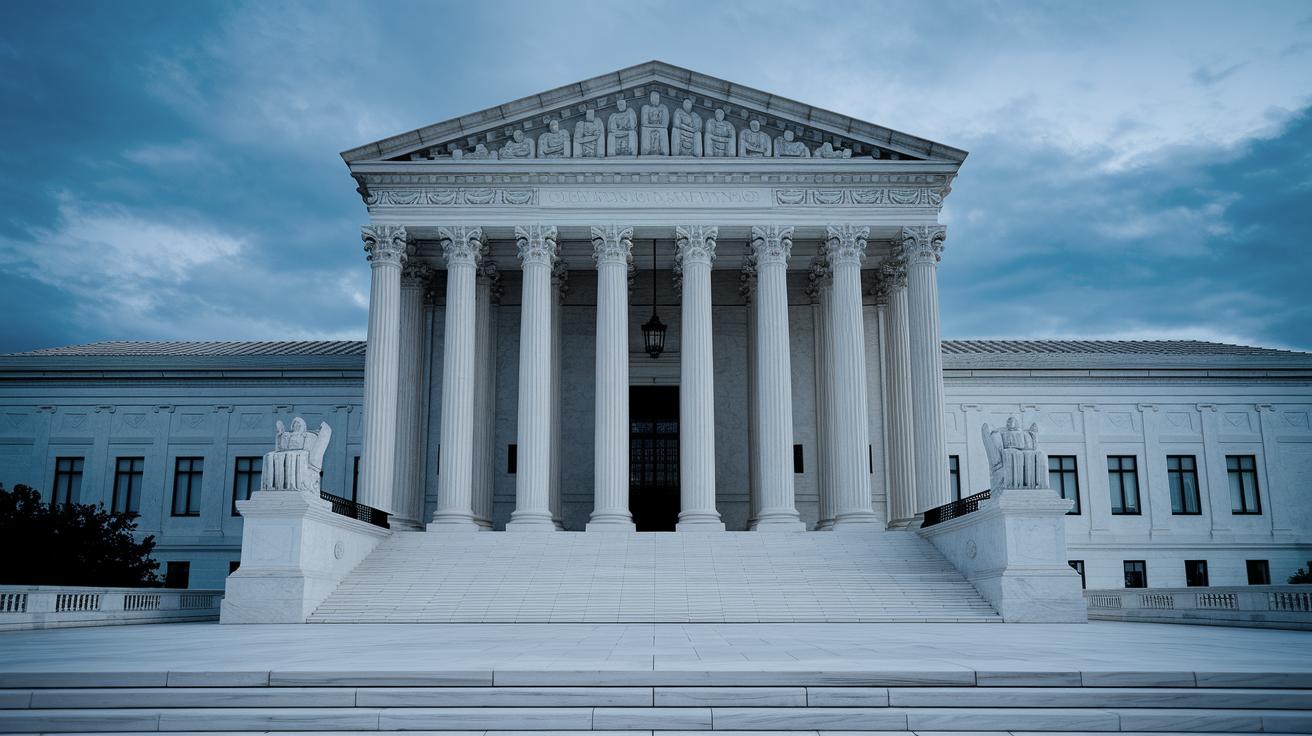
Roe v. Wade Overturned: The Future of Reproductive Rights in America
The Supreme Court decision to overturn Roe v. Wade signifies a landslide shift in American reproductive rights. For nearly half a century, Roe v. Wade has been a central pillar in abortion rights, shaping state laws and personal freedoms. This extensive blog post delves into the ramifications of this judicial overturn. It explores Alito’s critique, examines the pre-Roe movement, and forecasts a post-Roe America where reproductive rights face significant constraints. Additionally, we discuss the potential elimination of systems allowing minors to procure abortions and analyze the political and legal challenges that states might face. We look into which states would ban or restrict abortion following this new legal precedent, evaluate the broader implications of this decision beyond abortion, and contemplate the possible interstate enforcement battles likely to emerge in this new landscape.
Roe v. Wade and the Future of Reproductive Rights in America
For many, Roe v. Wade was not just a legal decision; it was a safeguard for reproductive rights and gender equality in America. The ruling underscored a woman’s right to privacy in making medical decisions, framing abortion as not just a personal choice but a constitutionally protected one. Its overturn raises questions about the integrity of such rights and the overarching reach of state jurisdiction over personal medical choices.
As America stands on the brink of change, the future of reproductive rights is in question. Legal scholars and activists are wondering whether the loss of Roe could lead to a broader erosion of other rights that have been grounded in the same principles of privacy and personal freedom elucidated in the Fourteenth Amendment. Furthermore, the dismantling of Roe v. Wade could set a precedent for revisiting other pivotal cases that have buttressed personal civil liberties.
What Might Life Look Like in a Post-Roe America?
In the post-Roe era, the landscape of reproductive health is poised for substantive shifts. States will wield more power, leading to a patchwork of policies that could either restrict or maintain access to abortion services. Women in states enacting severe restrictions may face barriers to safe and legal procedures, driving some to seek services across state lines.
Such disparities could exacerbate existing inequalities in healthcare, with marginalized communities bearing the brunt of these changes. Women of color, those with low incomes, and individuals in rural areas may find it increasingly difficult to access necessary medical services, further stoking the flames of socio-economic inequality in the realm of healthcare.
Alito’s Opinion: A Tour de Force of Criticisms of Roe in Academia
Justice Samuel Alito’s opinion on the reversal of Roe canvassed long-standing academic critiques of the decision. He argued that Roe was wrongly decided, suggesting that it invented constitutional rights out of whole cloth. Alito posited that abortion is a matter better left to the states and their elected representatives, rather than federal oversight.
His opinion traversed various legal doctrines that, critics argue, failed under Roe, such as the reliance on viability and the broad interpretation of privacy. Alito proposed a return to a more textual and historical reading of the Constitution, suggesting that Roe’s expansive interpretation was legally unfounded and impractical.
The Movement Against Abortion Rights: Nearing Its Apex but Rooted in Deep History
The anti-abortion movement in the United States has momentum after decades of strategic political and cultural campaigning. This movement predates Roe, emerging from a confluence of religious, moral, and cultural tides that align in their opposition to abortion rights.
Over the years, the movement has capitalized on shifts in political power, creating a conducive environment for retraction of abortion rights. With Roe’s overturning, the movement has achieved a long-sought goal, marking a historic turning point in their crusade against abortion.
Reproductive Rights in America
Reproductive rights encompass more than just the right to terminate a pregnancy; they reflect a woman’s autonomy over her reproductive health. The dismantling of these rights signifies a shift towards potential infringements on bodily autonomy, where individual choice is steered by political dogma rather than personal necessity.
The discussion surrounding reproductive rights in America also involves access to contraceptive methods, sex education, and comprehensive healthcare services. The debate is intensely polarized, igniting a firestorm of advocacy on both sides, each vying for control over the legislation directing reproductive health.
Now That Roe is Gone: Minors and Abortion Access Could Disappear
Minors seeking abortion services in the aftermath of Roe’s dissolution could face heightened challenges. Judicial bypass, once a legal avenue for minors who could not obtain parental consent, might vanish in states enacting new restrictions. This could force vulnerable teenagers into precarious situations or illegal abortions.
Parental involvement laws could further complicate matters, as minors are driven to navigate complex legal landscapes without adequate support. Stakeholders are deeply concerned about the potential health risks and socioeconomic repercussions for young individuals denied access to safe reproductive health services.
A Cascade of Newly Active State Laws
The demise of Roe v. Wade has activated a slew of legislation across various states. Many states have prepared “trigger laws” designed to outlaw abortion immediately if Roe is overturned. These laws swiftly change the landscape, reducing abortion access almost instantaneously.
Conversely, some states are reinforcing protections for abortion rights, striving to safeguard them against federal encroachments. This dichotomy may lead to regional disparities, where access to reproductive health varies significantly between neighboring states.
Law
The reversal of Roe v. Wade raises fundamental questions about the hierarchy of laws in the American legal system. It challenges the balance between federal authority and state rights, contributing to the ongoing debate over the interpretation of constitutional rights.
The jurisprudence surrounding reproductive rights is poised for significant revision as courts across the nation grapple with newly emerging laws and the precedent set by the Supreme Court’s latest ruling. Legal scholars are poised to reevaluate numerous aspects of constitutional law, setting the stage for future debates.
These 26 States Would Ban or Restrict Abortion if Roe v. Wade is Overturned
According to various analyses, 26 states are likely to ban or heavily restrict abortion through the implementation of trigger laws or existing statutes awaiting activation upon Roe’s overturning. These states often feature strong conservative leadership that opposes liberal abortion laws.
The states in question are scattered throughout the Midwest and South, revealing not only political divides but cultural ones as well. The impact on women in these regions could be profound, with reproductive healthcare becoming increasingly inaccessible.
Reproductive Rights in America
In revisiting reproductive rights, America stands at a crossroads, confronting its domestic and international stance on human rights. The implications of restricting abortion ripple beyond healthcare, influencing societal norms, workplace dynamics, and fundamental freedoms.
The struggle for reproductive rights is now entering a new phase, with legal battles anticipated across the country. Advocacy groups are poised to challenge restrictive laws and mobilize support for the preservation of reproductive autonomy.
Could Overturning Roe v. Wade Have Implications Beyond Abortion?
The potential consequences of overturning Roe extend beyond abortion. It raises questions about other rights linked to privacy and liberty, such as contraception and marriage equality, which are also grounded in the principles established in Roe.
Legal experts suggest that the decision could set a precedent for re-evaluating other key rulings. Consequently, it sparks fear among proponents of civil liberties regarding a potential rollback of progress made in various areas of individual rights.
More Legal Uncertainty
The decision to overturn Roe introduces a new realm of legal uncertainty. With federal protections removed, states possess broader authority, spearheading changes that could conflict with broader interpretations of constitutional rights.
This environment cultivates unpredictability, as litigations concerning newer state laws and the right to health care continue to arise. Legal practitioners must navigate this complex matrix of state and federal jurisdiction, potentially leading to prolonged court battles.
Politics
The intersection of politics and reproductive rights has never been more pronounced. The overturning of Roe serves as a catalyst for political discourse, mobilizing both sides of the debate into action across electoral platforms nationwide.
The shift as Roe is overturned could significantly impact upcoming elections, with candidates and policymakers forced to clarify their stances on reproductive rights, potentially redefining party lines and alliances.
Roe v. Wade’s Future is in Doubt After Historic Arguments at Supreme Court
The Supreme Court’s decision to hear arguments questioning the viability of Roe was historic, signaling to the nation that the legal foundation of reproductive rights was under scrutiny. These arguments exposed the deeply rooted divisions surrounding the interpretation of constitutional liberties.
This judicial process has prompted renewed interest in the nature of Supreme Court deliberations, the philosophical leanings of its Justices, and the influence of political ideologies in shaping future legal landscapes.
Interstate Enforcement Battles
In the wake of Roe’s overturning, states with restrictive and protective laws could find themselves in contentious interactions. Interstate conflicts may arise, as states grapple with the enforcement of their laws when residents seek or provide abortion services across state lines.
Legal experts anticipate complex jurisdictional challenges, requiring new frameworks for enforcement and cooperation among states. These battles could redefine interstate relations and set new precedents in the practical application of reproductive legislation.
Future Prospects
| Topic | Key Points |
|---|---|
| Roe v. Wade Overturned | Significant shift in reproductive rights; question on personal freedoms. |
| Post-Roe America | Access disparities; exacerbation of healthcare inequalities. |
| Alito’s Critique | Legal expiration of Roe’s framework; state jurisdiction emphasized. |
| Pre-Roe Movement | Deep-rooted anti-abortion tradition; political maneuvering. |
| Minors and Abortion | Judicial bypass challenges; risks to teen health and equality. |
| State Legislation | Trigger laws activated; regional legal disparities. |
| Beyond Abortion | Potential impact on related privacy and liberty rights. |
| Legal Uncertainty | States’ broader legislative power; ongoing legal challenges. |
| Political Consequences | Impact on electoral politics; shifts in party strategies. |
| Interstate Conflicts | New enforcement challenges; jurisdictional complexities. |