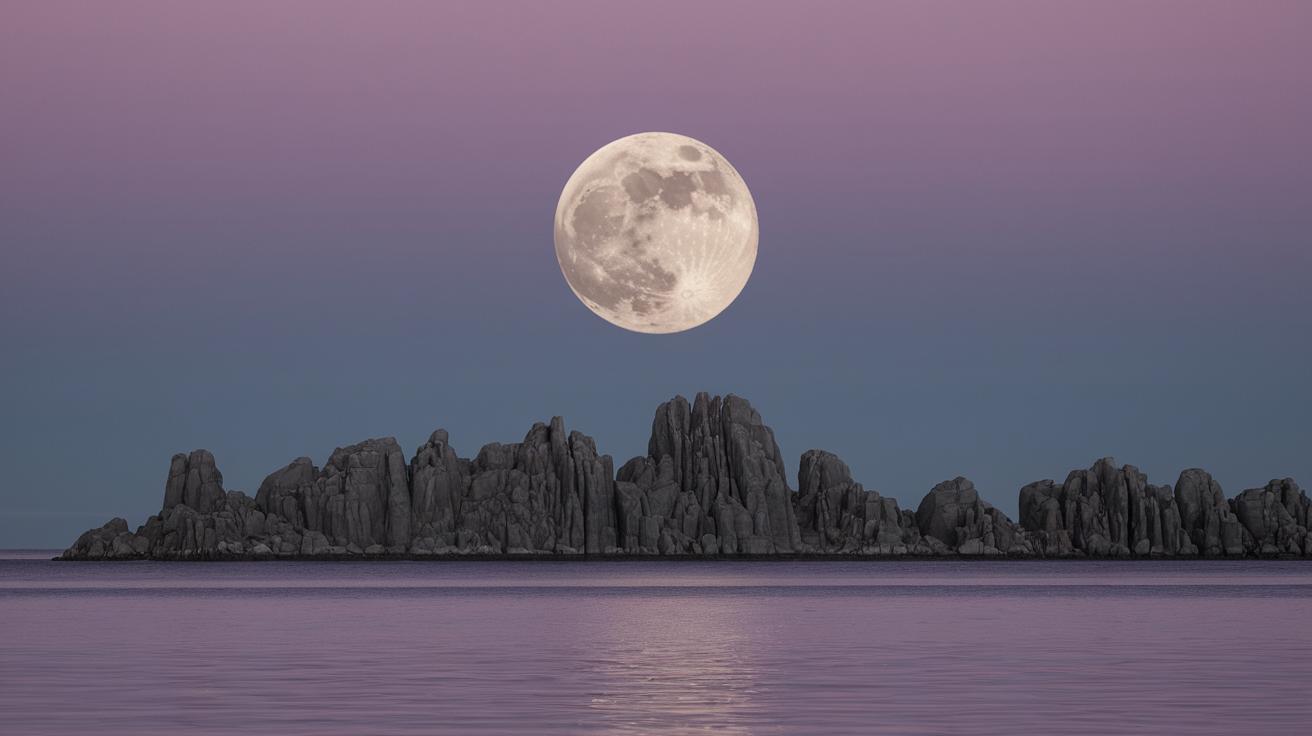
Full Moon May 2024: A Comprehensive Look into Lunar Wonders
The full moon is an awe-inspiring natural event that has enchanted observers for millennia. The full moon of May 2024 might seem like a distant occurrence, but its approach provides an excellent opportunity to delve into everything lunar-related. This blog post will guide you on how to view the full moon, explore the dates for 2025 full moons, and explain the fascinating names given to them. We’ll also explore the Chinese traditions around moon naming, discuss the phases of the moon, and touch on the lunar and solar eclipses of 2025. Alongside these insights, we offer various resources for moon enthusiasts and a guide to subscribing to the Space.com newsletter for ongoing celestial updates.
How to see the full moon
Observing a full moon can be a spectacular event, offering opportunities not just for sky gazing but for photography and reflection. The best way to see the full moon is to find a location with minimal light pollution, which can obscure the brightness and beauty of the moon. Parks, open fields, and rural settings offer great vantage points. Equip yourself with a telescope or binoculars for a more detailed view of the moon’s surface.
The time of moonrise and moonset varies depending on where you are, but generally, the full moon is visible from sunset to sunrise. Checking local moonrise times and ensuring clear weather conditions will improve your viewing experience. Many astronomy apps are available to assist in planning your celestial outings, providing details on when and where the moon will be most visible.
2025 full moon dates
The full moons for 2025 have already been calculated and will continue to grace the night sky each month. These events provide repeated opportunities for moon lovers to engage with one of nature’s most consistent cycles. The year kicks off with a full moon in January, setting the stage for a year of night sky events that captivate and inspire.
Mark your calendars for each full moon to plan your viewing parties or quiet moments of stargazing. While each full moon carries its distinct charm, the changes from month to month in moonrise and moonset times can create unique viewing conditions.
The 2025 full moon names explained
Many of the names given to the full moons originate from Native American, Colonial American, or other indigenous sources. Each name generally reflects the landscape or the season of its occurrence. For instance, January’s full moon is commonly known as the Wolf Moon, associated with the howling of wolves.
Understanding these names enhances the appreciation for each lunar phase. The Strawberry Moon in June, marking the strawberry harvest, or the Harvest Moon in September, notorious for its bright orange hue, continue to connect our present with the traditions of the past.
Chinese moon names
In Chinese culture, the lunar calendar has traditionally been used for marking events, with each full moon having its designation. The cultural significance of each moon ties into agricultural and philosophical traditions, highlighting the deep respect for time and nature in Chinese history.
Each month in the Chinese lunar calendar corresponds to certain energies and elements, such as the Moon of the Happy Life, which encourages familial harmony. These names serve to remind us of the intimate relationship between cultural practices and the lunar cycle.
The phases of the moon explained
The moon undergoes continuous transformation through its phases: new moon, waxing crescent, first quarter, waxing gibbous, full moon, waning gibbous, last quarter, and waning crescent. These phases arise from the moon’s orbit around Earth and the varying angles at which sunlight illuminates it.
Understanding these phases can enrich your knowledge and appreciation of the night sky. As the moon cycles through these phases approximately every 29.5 days, each part of the cycle offers a distinct experience of light and shadow.
Lunar eclipses of 2025
Lunar eclipses occur when Earth aligns between the sun and the moon, casting a shadow over the moon. In 2025, skywatchers can look forward to several lunar eclipses, each offering a unique view of the moon as it shifts in color and visibility.
These eclipses provide excellent opportunities for observing moon phenomena not usually visible. Whether you’re a seasoned astronomer or a casual enthusiast, lunar eclipses offer a chance to see the moon in new and exciting ways.
Solar eclipses of 2025
In addition to the lunar events, 2025 will also feature solar eclipses, where the moon passes between the Earth and sun, temporarily obscuring the sun’s light. These events require special solar filters for safe viewing, preventing damage from the sun’s intense light.
Solar eclipses are less frequent than lunar ones, but they offer the wonder of seeing day briefly turned to twilight. Mark these dates on your calendar to experience firsthand the power and beauty of celestial mechanics in action.
More full moon and night sky resources
If these celestial events captivate you, numerous resources can deepen your engagement. Subscribing to scientific journals, engaging in local astronomy clubs, or utilizing educational apps can provide insight and community.
Joining online forums or attending workshops can further enhance your journey into lunar exploration, connecting you with like-minded individuals who share a passion for the sky.
Get the Space.com Newsletter
When is the next full moon?
Stay updated on upcoming full moons, solar and lunar eclipses, and other astronomical events by subscribing to the Space.com newsletter. Never miss an opportunity to witness and learn about the wonders of our night sky.
You must confirm your public display name before commenting.
Engage with the Space.com community by confirming your public display name. Commenting gives you the chance to partake in discussions, share experiences, and exchange knowledge with fellow enthusiasts.
Summary of main points
| Main Points | Details |
|---|---|
| How to see the full moon | Choose locations with low light pollution for the best view; use apps to track moonrise times. |
| 2025 full moon dates | Plan for monthly full moons and unique viewing experiences throughout the year. |
| The 2025 full moon names explained | Learn about the traditional names and their meanings, adding cultural depth to observations. |
| Chinese moon names | Explore the cultural and philosophical significance behind traditional Chinese lunar names. |
| The phases of the moon explained | Familiarize yourself with the moon’s phases and the science behind them. |
| Lunar eclipses of 2025 | Discover unique eclipses that offer new perspectives on lunar observation. |
| Solar eclipses of 2025 | Prepare for rare solar events with appropriate viewing equipment. |
| More full moon and night sky resources | Find journals, clubs, and online resources to deepen your astronomical interests. |
| Get the Space.com Newsletter | Subscribe for news on upcoming celestial events and engage with the community. |