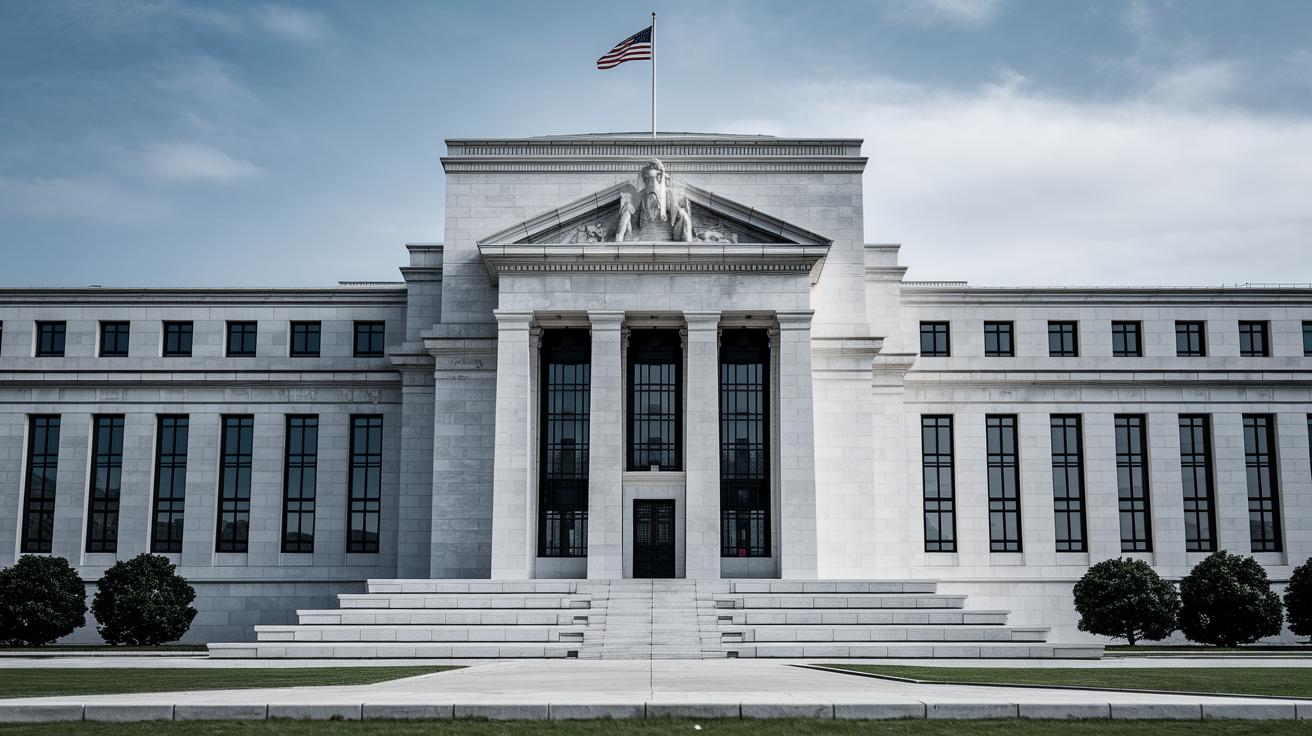
Understanding the Fed Interest Rate Decision and Its Implications
The Federal Reserve’s interest rate decisions significantly impact the economy and the daily life of Americans. This blog post delves into various aspects of the Fed’s recent announcements and what these decisions mean for the future. We will explore the impact on the stock market, the possibility of upcoming rate cuts, the state of the US economy, and the intricate balance the Fed maintains between its dual objectives of low inflation and high employment. Additionally, we will consider President Trump’s influence on the Fed, and how tariffs play into their economic strategies. Whether you’re a consumer worried about mortgage rates or an investor eyeing the stock market, understanding these elements will help you navigate the financial landscape more effectively.
Stocks close higher after Fed announcement
Following the recent Federal Reserve announcement, stock markets saw a rise, closing higher as investors expressed optimism about the central bank’s future monetary policy. The Fed’s decision to hold interest rates steady was anticipated by the market, suggesting confidence in the current economic trajectory despite ongoing global tensions and domestic challenges.
The enthusiasm seen in the stock market indicates a broader confidence among investors that the Fed’s current policies are conducive to economic growth. However, uncertainties remain, particularly with international trade dynamics and potential political influences. Investors continue to keep a close watch on the Fed, hoping for signals on whether further intervention will be necessary.
Will the Fed cut rates at all this year?
Speculation continues regarding whether the Fed will choose to cut interest rates before the year ends. Economic indicators, such as inflation rates and employment figures, will play crucial roles in guiding the Fed’s decision-making process. As of now, the central bank appears content with its current policy stance, though it remains open to adjustments if the economic outlook changes.
While some economists argue for a rate cut to preemptively counter potential downturns, others suggest that maintaining current rates ensures stability and gradual growth. The balance between these perspectives will likely be influenced by global economic trends and domestic fiscal policies.
White House does not foresee inflation re-accelerating
The White House has expressed confidence that inflation will not reaccelerate, supporting the Fed’s current stance on interest rates. This outlook aligns with recent inflation reports indicating stability, thus reducing the urgency for immediate Fed intervention.
Maintaining a stable inflation rate is pivotal for economic prosperity, as it affects everything from consumer prices to wage growth. The administration’s optimism suggests alignment with the Fed’s policies, which aim to support sustained economic growth without triggering inflationary pressures.
Trump has yet to ask Powell for a meeting, Fed chair says
Despite frequent public commentary on monetary policy, President Trump has not formally requested a meeting with Federal Reserve Chair Jerome Powell. This highlights a distinction between public posturing and the formal processes guiding economic policy discussions.
Regular meetings between the President and the Fed Chair could enhance communication and policy alignment, yet independence remains a cornerstone of the Federal Reserve’s operations. Maintaining this independence ensures that monetary decisions are made based on economic data rather than political considerations.
What is stagflation?
Stagflation, a portmanteau of stagnation and inflation, describes a scenario where an economy experiences stagnant growth and high inflation simultaneously. It poses a complex challenge for policymakers, as traditional measures to counter inflation, such as raising interest rates, could further stifle economic growth.
Historically, stagflation has been relatively rare, but its potential emergence is a concern for central banks like the Fed. Adopting policies that promote sustainable growth while keeping inflation in check is critical to avoiding such an economic conundrum.
Fed keeping an eye on US talks with trade partners
The Federal Reserve continues to monitor ongoing US negotiations with international trade partners closely. Trade agreements and disputes can significantly influence economic projections and thus affect the Fed’s monetary policy decisions.
Changes in trade policies can impact everything from employment rates to consumer prices. As such, any significant developments in trade talks could prompt the Fed to reassess its current strategies and respond accordingly to safeguard the national economy.
Powell says the economy is ‘still in solid shape’
Fed Chair Jerome Powell has reiterated his belief that the US economy remains fundamentally robust. Despite global uncertainties and market volatility, key indicators like employment rates and consumer spending suggest underlying economic strength.
This assurance from the Fed Chair fosters confidence in financial markets and helps mitigate fears of an impending recession. However, maintaining this strength requires a vigilant approach to upcoming economic challenges, ensuring that policies remain beneficial in the long term.
Powell says Trump’s comments don’t affect the Fed’s decisions
Jerome Powell has clarified that the Federal Reserve’s decisions are not influenced by President Trump’s public statements. This affirmation underscores the Fed’s commitment to its independence and data-centric approach to monetary policy.
The Fed’s autonomy is essential to making unbiased economic assessments and implementing policies that best suit the nation’s financial health, free from political pressure. This ensures that the Fed can react appropriately to economic conditions as they develop.
Powell says economy is ‘resilient’ and committee feels ‘comfortable’ waiting
The Federal Reserve’s assessment of the economy as ‘resilient’ indicates confidence in its ongoing strategies. Powell’s comments suggest that the committee feels comfortable waiting for further economic data before making any substantial policy changes.
This approach of cautious optimism aligns with the Fed’s objectives of fostering sustainable growth while being prepared to adjust policies if warranted by economic shifts. The patience displayed by the committee reflects confidence in current economic fundamentals.
What does the Fed decision mean for mortgage rates?
The Fed’s interest rate decisions have direct implications for mortgage rates, affecting affordability for home buyers. When the Fed holds interest rates steady, mortgage rates may remain stable, whereas a rate cut could lead to lower mortgage rates, benefiting buyers.
Prospective homeowners should stay informed about Fed announcements, as these can influence mortgage rates significantly. Understanding the relationship between the Fed’s policies and personal financial conditions is crucial for making informed real estate decisions.
What will it take for the Fed to cut rates?
Several factors could prompt the Federal Reserve to consider cutting interest rates, including economic slowdown indicators, decreased consumer spending, or escalating international tensions. The Fed continuously assesses these and other variables to decide if rate cuts are warranted.
Cutting rates is not a decision taken lightly, as it can stimulate the economy but also introduce risks like inflation if not executed under the right conditions. Careful evaluation of economic trends and projections is vital to making these decisions judiciously.
How will the Fed address a conflict between its missions of low inflation and high employment?
Balancing low inflation and high employment is a fundamental challenge for the Fed. While both goals are critical for economic health, they can sometimes conflict, necessitating strategic compromises.
The Fed utilizes various tools and policies to manage this balance, often prioritizing one goal based on current economic conditions. Continuous monitoring and data analysis help the Fed navigate these complex dynamics effectively.
What does the Fed’s decision mean for Americans?
The Federal Reserve’s decisions on interest rates influence various facets of American life, from loan accessibility to savings interest. These decisions can affect everything from home ownership to consumer confidence.
An understanding of Fed policies can empower individuals to make informed financial decisions, whether it be about borrowing, investing, or purchasing. Awareness of how these decisions impact personal finance is essential for navigating economic environments.
Is the economy in a recession right now?
Despite occasional market volatility and global uncertainties, current data does not support the notion of the US economy being in a recession. Key indicators such as GDP growth and employment statistics suggest sustained economic activity.
While concerns about recessions are perennial, maintaining a macroeconomic perspective is essential, considering both domestic and global contexts. The Fed’s policies, reflecting caution and vigilance, play a role in preventing a potential recession from materializing.
What’s next for tariffs?
Tariffs remain a significant factor in international trade and economic policy, influencing everything from consumer prices to international relations. The Fed must consider the impact of tariffs when formulating its monetary policies.
As trade disputes evolve, so too do their economic implications. The Fed’s agility in policy-making is crucial to addressing these changes and safeguarding the economy against adverse tariff effects.
Is the US heading for a recession?
While there are indicators suggesting potential economic slowdowns, declaring a definitive path toward recession requires comprehensive analysis beyond short-term data points. The Fed’s role in mitigating recession risks through strategic monetary policy is pivotal.
Economists and analysts continue to keep a close watch on leading indicators and economic trends to provide guidance on this front. Policymakers’ proactive steps remain central to preventing an economic downturn.
Advice for consumers, no matter the rate
Regardless of the Fed’s interest rate decisions, consumers are advised to maintain financial prudence. This includes focusing on saving, managing debt wisely, and making informed decisions about borrowing and investing.
Understanding the broader economic context can aid individuals in aligning their financial strategies with economic trends. This level of awareness ensures that personal finances can weather both favorable and challenging economic conditions.
Can Trump fire Powell?
Legally, President Trump cannot directly fire the Federal Reserve Chair, Jerome Powell. The Fed prides itself on its independence, which is vital for unbiased monetary policy formulation. Any attempt to replace Powell would likely face significant legal and political challenges.
Maintaining this independence allows the Fed to make decisions based on economic indicators rather than political pressure, preserving the integrity of monetary policy and fostering economic stability.
What inflation reports are watched by the Fed?
The Federal Reserve closely monitors various inflation reports, including the Consumer Price Index (CPI) and the Personal Consumption Expenditures Price Index (PCE), to gauge inflationary trends.
These reports provide critical insights into price stability, informing the Fed’s interest rate decisions. Accurate assessment of inflation trends is paramount for maintaining economic equilibrium.
What is the current state of the US economy?
The US economy continues to demonstrate resilience despite global uncertainties. With stable GDP growth, low unemployment rates, and steady consumer spending, economic fundamentals remain strong.
Ongoing challenges such as international trade tensions and political dynamics require attentive policy adjustments, but overall, the economy’s trajectory appears positive.
What is the Fed interest rate?
The Federal Reserve sets the federal funds rate, which influences interest rates across the economy, from savings accounts to loans. This rate serves as a primary tool for implementing US monetary policy.
Changes in the Fed interest rate affect economic activity by influencing borrowing costs, consumer spending, and investment decisions. Awareness of current rate levels is vital for financial planning.
When will the Fed cut interest rates again?
Predictions regarding the next Fed rate cut vary, heavily dependent on forthcoming economic data and external influences such as trade relations. The Fed maintains a flexible approach, ready to adjust policy in response to significant economic shifts.
Those anticipating rate cuts should focus on economic signals such as slowing growth or rising unemployment, which could prompt the Fed to act.
Interest rate predictions: When will interest rates go down?
Interest rate predictions are inherently uncertain, revolving around economic forecasts and market expectations. Analysts often look to indicators like inflation, employment, and GDP growth to inform their predictions.
Any prediction on rate decreases should be taken with caution, given the dynamic nature of economic conditions. Close monitoring of economic data and Fed announcements is key to anticipating future rate movements.
Why is the Fed being so cautious about cutting rates?
The Fed’s cautious approach to cutting rates stems from a desire to avoid triggering inflation while ensuring economic stability. Rate reductions can stimulate the economy but might also contribute to inflationary pressures if overdone.
Ensuring a balanced economic environment requires vigilant assessment of both domestic and international developments, prompting the Fed to take a measured approach in its policy adjustments.
How is the stock market doing today?
The current performance of the stock market reflects ongoing investor sentiment influenced by economic data, Fed policies, and geopolitical events. This dynamic landscape necessitates continuous monitoring by investors seeking to align with market trends.
The market’s response to Fed announcements often offers insight into broader economic conditions. Investors and analysts constantly assess these indicators to inform their strategies.
What is the Fed meeting schedule for 2025?
Although specific meeting dates for 2025 are not yet released, the Federal Reserve typically conducts several meetings each year to discuss monetary policy and economic conditions. These meetings are critical for assessing the need for policy adjustments.
Understanding the schedule of Fed meetings allows stakeholders to anticipate potential policy changes that might influence economic strategies.
What time is the Fed meeting today?
Fed meeting times are usually announced in advance and are widely followed, as they often coincide with significant policy updates. These meetings provide crucial insights into the Fed’s latest economic assessments and policy decisions.
Stakeholders typically watch these announcements closely, as they can have substantial immediate and long-term economic impacts.
How are tariffs influencing the Fed’s decisions?
Tariffs have a considerable influence on the Federal Reserve’s decisions, affecting trade balances, inflation, and economic growth. As trade policies shift, they can lead to fluctuations that the Fed must consider when setting interest rates.
The Fed continuously evaluates the macroeconomic effects of tariffs, adjusting its policies to mitigate adverse impacts while supporting economic objectives.
Is President Trump pressuring the Fed to lower rates?
Public statements from President Trump have occasionally suggested a preference for lower interest rates. Despite such pressures, the Federal Reserve maintains its commitment to independence, basing its decisions on economic data rather than political influence.
Transparency and adherence to established economic principles remain central to the Fed’s operations, insulating it from overt political pressures.
What is the current Fed interest rate?
As of the latest update, the current Federal Reserve interest rate hovers around a historically low mark indicative of efforts to stimulate economic activity. This rate is a reflection of the Fed’s policy stance amid ongoing economic assessments.
Keeping abreast of rate changes is essential for financial planners and consumers looking to optimize their economic decisions.
Why did the Fed stop cutting interest rates?
The Federal Reserve halted interest rate cuts to evaluate the economy’s response to previous reductions, ensuring that subsequent actions are well-informed. This pause allows the Fed to better understand economic dynamics and potential risks.
By maintaining a measured approach, the Fed seeks to balance economic growth with inflation control, remaining prepared to adjust rates as new data emerges.
Summary of main points:
| Topic | Summary |
|---|---|
| Stocks and Fed Announcement | Renewed confidence in market post-Fed announcement with steady rates. |
| Future Rate Cuts | Open if economic indicators change; data-dependency stressed. |
| Inflation and White House’s Stance | White House doesn’t anticipate re-accelerating inflation. |
| Presidential Influence | No formal Trump-Powell meetings; Fed independence emphasized. |
| Economic Terms Explained | Stagflation poses unique challenges; balancing inflation and employment critical. |