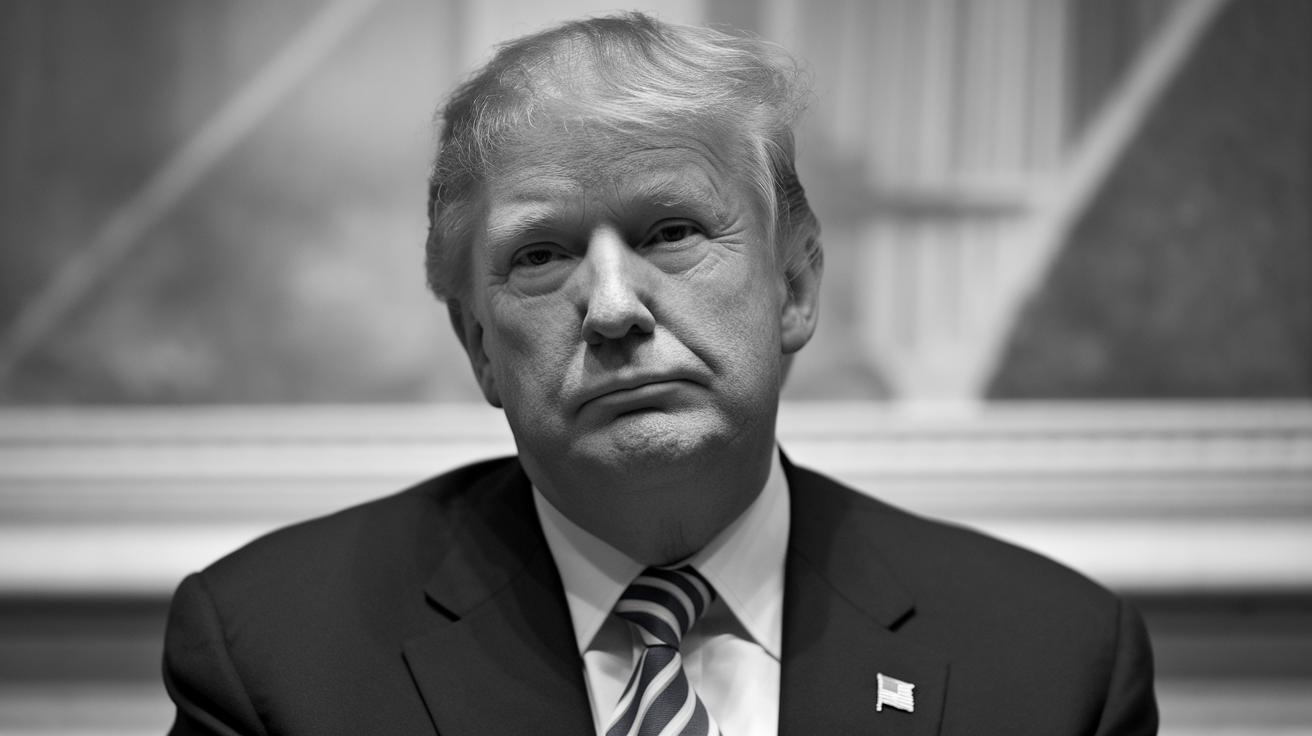
Donald Trump News Today
Donald Trump’s influence on global and domestic affairs continues to be a subject of in-depth analysis and discussion. As controversies swirl around his tariffs, executive orders, and international dealings, the former president remains a compelling figure in contemporary politics. From his team’s dynamic decisions to Melania Trump’s enigmatic activities, each move is dissected by media and analysts. Amidst all these, the geopolitical implications of Trump’s policies, such as his reprisals in trade wars and ambitious attempts to redefine U.S.-China relations, underline his lasting impact on global diplomacy. Here, we dive deep into recent developments, exploring their potential ramifications and insights they offer across various sectors.
Israel rules out truce in Gaza as Hamas prepares to free US-Israeli captive
The Israel-Palestine conflict remains a persistent challenge to peace in the Middle East, further complicated by international players like the United States. Under Trump, U.S. foreign policy took a supportive stand on Israeli actions, thereby echoing in current diplomatic dialogues. As the Israeli government rules out a truce in Gaza, the situation becomes more complex with Hamas’s involvement.
The preparation for the release of a US-Israeli captive by Hamas signifies a potential shift in tactics, inciting reactions from various global stakeholders. Trump’s prior administration had already recognized Jerusalem as Israel’s capital, setting the stage for today’s developments. These actions have continually stoked tensions and have been met with international diplomatic efforts toward negotiation and peace.
What we covered here
In today’s comprehensive look at Donald Trump news, we detail his economic policies’ implications, particularly focusing on tariffs, their calculation, and their global impact. We explore Trump’s strategies to bolster the U.S economy and examine who stands to benefit or lose from his economic doctrines.
The coverage extends beyond domestic issues to Trump’s global interactions, including trade relations with China, his ambitious international policies, and how they’ve shaped current U.S engagement on the world stage. Furthermore, we delve into personal aspects of Trump’s circle, from his family dynamics to significant figures within his administration.
A quick guide to Donald Trump
Donald Trump, the 45th president of the United States, has left a significant mark on American and international politics. Elected in 2016, his presidency was marked by a populist approach, brash rhetoric, and a substantive shift in policy. Trump’s straightforward and often controversial style won him ardent support as well as immense criticism, making him one of the most polarizing figures in modern political history.
His legacy includes sweeping tax reforms, strict immigration policies, and ambitious foreign policies. Trump’s “America First” doctrine echoed throughout his presidency, impacting trade deals and international alliances. His approach reshaped the Republican Party, aligning it more closely with his nationalist and protectionist ideals. Post-presidency, Trump remains an influential figure in the GOP, continuing to sway public opinion and political strategies in the U.S.
Analysis
The analysis of Trump’s tenure reveals a president willing to take unorthodox approaches to traditional governance. From leveraging social media to rallying public support to endorsing unprecedented economic policies, he utilized every platform to push his agenda. The outcomes of his actions are still being measured, with some declaring a resurgence of American industry and others pointing to diplomatic discontent.
Trump’s economic strategies, notably those emphasizing high tariffs and renegotiated trade deals, were designed to curb foreign competition and invigorate local manufacturing. However, such policies also strained relations with long-time allies, inviting both critique and commendation domestically and globally. Understanding these policies’ long-term effects is crucial for evaluating Trump’s impact and legacy on both national and international stages.
Why Trump’s tariffs aren’t really reciprocal
Trump’s assertion that his tariffs were fundamentally aimed at balancing the scales of international trade often drew sharp criticism. Critics argue that these tariffs ignored the complexities of global trade dynamics, where reciprocity isn’t simply transactional but multifaceted, encompassing various aspects such as supply chain intricacies and geopolitical considerations.
Rather than leveling trade imbalances, some experts suggest Trump’s tariffs disproportionately impacted certain sectors, leading to supply shortages and increased costs for consumers and businesses. The idea of reciprocity in trade is not merely about dollar-for-dollar parity but involves nuanced economic strategies and diplomatic relations that Trump’s policies occasionally overlooked.
How were Donald Trump’s tariffs calculated?
The process behind calculating Trump’s tariffs involved examining trade deficits and surplus figures with trade partners, particularly focusing on countries like China. The administration used metrics that underscored U.S. disadvantage, such as significant trade deficits, to justify the imposition of tariffs on steel, aluminum, and other imports.
These calculations, however, did not always account for the ripple effects on the global supply chain or the retaliatory measures from affected countries. The resultant trade war with China showcased how initial calculations underestimated the strategic depth needed in handling international trade relations, highlighting both the boldness and pitfalls in Trump’s economic approach.
The influencers who want the world to have more babies – and say the White House is on their side
In a demographic strategy shift, a group of influencers is advocating for increased birth rates, citing economic sustainability and national strength as key motivators. This initiative found resonance within the Trump administration, which highlighted similar sentiments about bolstering the American workforce and economy.
The push aligns with Trump’s nationalist policies, suggesting a multi-faceted approach to maintaining a robust economic structure through population growth and increased domestic consumption. Critics, however, argue that such policies oversimplify complex socio-economic issues that contribute to declining birth rates, like healthcare access and childcare support.
Ros Atkins on… Trump’s plan for Greenland
Ros Atkins provided an insightful analysis into one of Trump’s most audacious propositions—purchasing Greenland. Initially received with skepticism and ridicule on the international stage, the proposal illustrated Trump’s bold style of geopolitics, intertwining territorial expansion with strategic economic gains.
Despite Greenland’s dismissal of the offer, the move underscored a significant undercurrent in Trump’s foreign policy: confrontational yet forward-thinking. Observers noted the strategic importance of the region in terms of natural resources and military positioning, reflecting Trump’s unyielding pursuit of American interests in global arenas.
Trump’s team
The dynamic inner circle of Donald Trump featured an array of influential figures who played critical roles in shaping his administration’s policies. From seasoned politicians to business magnates, Trump’s team was a mix of ideologues and pragmatists, each contributing to the administration’s overarching “America First” agenda.
Key members like Mike Pence, Jared Kushner, and Steve Bannon were instrumental in navigating the complexities of domestic and foreign policies. Each figure and their decisions were often scrutinized, offering insights into how Trump’s government functioned behind the scenes, and how these intricate relationships influenced both public discourse and state policy.
Trump names podcaster Dan Bongino as deputy FBI director
In a surprising turn, Donald Trump nominated Dan Bongino, a staunch supporter and popular podcaster, as the deputy FBI director. This decision highlighted Trump’s unconventional approach to appointments, often favoring loyalty and a shared vision over traditional qualifications.
Bongino’s nomination sparked discussions on the integrity of federal institutions and the extent of political influence. While critics viewed the appointment as a sign of eroding independence within the FBI, supporters praised it as a move towards refreshing an institution perceived as bureaucratically stifled.
Who is Elon Musk?
Elon Musk, the iconoclastic entrepreneur behind Tesla and SpaceX, is a figure often associated with innovation and disruption. Like Trump, Musk’s approach to leadership challenges the status quo, whether in automotive industries or space exploration. Both figures are often compared for their appetite for risk and sheer determination.
Musk’s interaction with the Trump administration was fraught with both collaboration and conflict, particularly on issues such as space policy and renewable energy directives. As these interactions evolved, they highlighted the broader conversation on private sector influence in policy-making, with Musk representing a new tier of corporate leadership challenging traditional political norms.
The chosen ones – 10 people trusted to deliver for Trump
Throughout his presidency, Trump relied on a cadre of loyalists who trusted his vision for America. These ten individuals were deeply entrusted with implementing the policy framework laid out by Trump across various sectors. Figures like Mike Pompeo and Betsy DeVos were pivotal in carrying forth the administration’s aims.
The effectiveness of these key players was a mixed bag; while some advanced Trump’s agenda effectively, others faced challenges that impeded their progress. Their collective experiences underscore the complexities of pushing forward a multifaceted agenda amid the ever-changing landscape of American politics.
A quick guide to JD Vance
JD Vance, a prominent author and venture capitalist, rose to political prominence following the widespread success of his memoir, “Hillbilly Elegy.” Often cited in discussions on Trump’s base appeal, Vance’s insights into working-class America resonated with themes central to Trump’s campaign rhetoric.
His transition from writer to political figure reflects a broader narrative shift, where personal narratives and media presence increasingly define political viability. Vance’s path, echoing that of Trump’s unconventional rise, underscores how current political landscapes often blur the lines between personal stories and political agendas.
RFK Jr sworn in as US Health and Human Services chief
Robert F. Kennedy Jr.’s appointment as the chief of the U.S. Health and Human Services represents another example of Trump-era policies intertwining with historical political figures. Known for his advocacy work, RFK Jr. enters a pivotal role amid ongoing public health debates.
The challenges ahead concern both healthcare reform and addressing pandemic-related strategies. His tenure is anticipated to bridge traditional public health frameworks with newer, more innovative approaches, reflecting the emergent trends post-Trump administration in addressing national health priorities.
Melania Trump
Melania Trump, as the first lady, carved a unique niche within the Trump narrative. Her style and initiatives, particularly in the “Be Best” campaign, showcased a blend of traditional first lady duties with her distinct touch, often in the shadows of her husband’s voluminous presence.
Balancing her roles of public figure and familial presence, Melania’s choices often spurred public intrigue. Her influence in the Trump administration, though subtly portrayed, was significant, bringing a personal dimension to policies impacting health, education, and family welfare.
Melania Trump, enigmatic first lady who might do it differently this time
Melania Trump’s approach as the first lady was marked by an enigmatic charm, often leaving the public guessing about her intentions and impact. Many speculate that if given another opportunity, she might embrace a more proactive role, drawing from her experiences during her husband’s tenure.
Her complex relationship with media and public perception illustrates the challenges faced by modern women in political circles. Despite criticism, her steady demeanor and restrained public communications have left many pondering how she would forge her path outside her husband’s shadow.
Decoding Melania Trump’s new official portrait
Melania Trump’s new official portrait has sparked conversation as it encapsulates her persona and role during her husband’s presidency. The photograph exudes sophistication and poise, resonating with her public image as a reserved yet confident figure.
The portrait’s appeal lies in its subtlety, offering a glimpse into her character and choices, perhaps symbolizing her indelible mark on her husband’s legacy. Analyzing these visual cues helps construct a narrative that balances public life’s demands with personal integrity.
What lies ahead for Trump family now?
As Donald Trump continues to be a political force, the trajectory of the Trump family fascinates observers. Siblings Ivanka and Don Jr. remain influential within Republican circles, often considered for future political roles, while their mother, Melania, may redefine her public engagement.
This familial influence echoes through opportunities explored by the younger generations, each charting a course through philanthropy, business, and politics. The family’s prominence signifies the enduring legacy of Trumpism within the GOP, marking a continued presence in shaping its future.
Melania Trump launches her own cryptocurrency
Stepping beyond traditional first lady roles, Melania Trump has ventured into the digital currency world with her cryptocurrency launch. This bold move exemplifies a blend of financial acumen and celebrity influence, aiming to capitalize on the burgeoning interest in decentralized finances.
Her initiative aligns with wider trends merging technology with finance, showcasing how public figures can leverage their platforms to make substantial impact. While this move intrigues many, it also raises questions about the responsibilities and risks associated with such ventures for public figures.
In video
Video media has been instrumental in chronicling Trump’s presidency, offering visual insights into his administration’s actions and policies. From press briefings to public addresses, these videos are crucial for understanding his communication style and the public perception of his governance.
Significant events captured in these videos, such as his interactions with national leaders and domestic affairs, serve as historical documents, providing context to Trump’s decisions and the subsequent reactions globally. They offer a multimedia approach to comprehending political and cultural shifts under his tenure.
Tracking President Trump’s love for charts over the years
President Trump’s affinity for charts exemplified his straightforward approach to complex issues, aiming to convey data-driven narratives succinctly. His frequent use of visual aids in speeches and briefings highlighted trends in employment, economic growth, and health, often framing them as victories of his administration.
While critics dismissed such presentations as oversimplifications, they underscored a communication strategy centered on accessibility and directness. These charts became symbols of Trump’s tenure, reflecting his emphasis on transparency, albeit with selective data, to bolster public support.
The UK and US fallout from Trump’s tariffs… in 70 secs
The tariffs implemented by Trump on international imports had substantial ripple effects, notably seen in the UK and across Europe, where reciprocal tariffs strained longstanding trade alliances. Brief videos documenting these developments provided quick insights into the evolving economic landscape.
Such media coverage offers a snapshot of the immediate impacts, like price shifts and changes in trade policies, which impact consumers and industries. These visual narratives laid bare the complexities of global commerce and the broader ramifications of national economic decisions.
What is a tariff?
A tariff is a tax imposed on imported goods and services, typically employed to protect domestic industries from global competition by making foreign goods less competitively priced. Tariffs can serve as a political tool, influencing international trade agreements and economic strategies.
In the context of Trump’s presidency, tariffs were central to discussions on trade imbalances and economic nationalism. His administration utilized them to target perceived unfair practices, aiming to renegotiate terms favorable to U.S interests, despite mixed receptions from both domestic and international factions.
How the US tariffs will affect you
The implications of U.S tariffs under Trump are far-reaching, affecting various stakeholders from multinational corporations to individual consumers. While intended to stimulate domestic growth, tariffs often resulted in increased production costs and subsequent retail prices, impacting consumer purchase power.
Industries reliant on international supply chains faced disruptions, leading to shifts in manufacturing strategies and sourcing. These economic adjustments underscored the interconnectedness of global commerce, revealing both the potential of tariffs as leverage tools and their inherent risks.
Trump tariffs
The Trump administration’s tariffs were driven by goals of rectifying trade deficits and reinforcing American industries. Applying to diverse sectors such as steel, technology, and agriculture, these tariffs directed global conversations on protectionism versus free trade.
The aggressive use of tariffs prompted policy reactions worldwide, influencing both allies and rivals to reconsider their trade practices and strategies. This tactic, while forging new economic paths for the U.S, also raised questions about the sustainability of such aggressive international postures.
What tariffs has Trump announced and why?
In an effort to realign U.S trade policies, Trump announced tariffs targeting imports primarily from China, European Union, and neighboring countries. These moves were intended to protect U.S industries, address intellectual property concerns, and push for better trading terms.
The rationale behind each tariff often revolved around protecting jobs, boosting American manufacturing, and addressing market inequities. While these aims resonated with certain voter bases, they also provoked debates on the broader consequences of isolating such economic strategies in a globally intertwined market.
Worst week for US stocks since Covid crash as China hits back on tariffs
The reciprocity of trade tensions became manifest when China responded to Trump’s tariffs with measures of their own, leading to stock market volatility and economic uncertainty. This financial upheaval mirrored the early ramifications of the Covid-19 crisis, highlighting the susceptibility of markets to political dynamics.
Investors grappled with uncertainty, manifesting in volatile stock performances as traders reacted to the evolving economic policies. These developments underscored the delicate balance economies maintain in the face of political posturing, prompting calls for diplomatic resolutions to ease tensions.
The British winners and losers from Trump tariffs
Britain, negotiating its post-Brexit trade strategy, experienced both challenges and opportunities due to Trump’s tariffs. While some industries faced tougher competition due to U.S trade barriers, others capitalized on shifting supply chains by filling gaps created by new trade dynamics.
Winners included sectors able to pivot quickly, aligning with emerging needs in the U.S market, while traditional exporters faced barriers that required strategic re-alignments. Overall, the effects of Trump’s tariffs on Britain highlight the broader adaptive demands on global traders amid shifting political landscapes.
How does it affect me if share prices fall?
Falling share prices, often triggered by events such as trade wars and tariffs, directly impact individual investors and financial markets. Portfolio valuations decrease, affecting retirement savings, investment strategies, and overall economic confidence.
Individuals invested in the stock market must navigate these fluctuations, assessing risk and adjusting their financial plans. The broader impact often includes shifts in consumer behavior and sentiment, underscoring the interconnectedness of markets and personal economics in the face of global uncertainties.
What Trump has done – and why it matters
Trump’s presidency, marked by its signature mix of policy innovations and divisive measures, redefined U.S politics on multiple fronts. His approach to governance—a blend of showmanship and strategic maneuvering—challenged established norms and set new standards in political discourse.
The implications of his actions extend beyond immediate policy effects, influencing future political movements and societal trends. Whether through judicial appointments, tax reforms, or immigration policies, his impact serves as a catalyst for both supporters seeking continuation of his legacy and opponents advocating for alternative directions.
Executive orders
The use of executive orders was a hallmark of Trump’s presidency, enabling swift policy shifts across various domains. These orders allowed him to enact significant changes without awaiting congressional approval, steering various sectors towards his administration’s goals.
From immigration to environmental regulations, Trump’s reliance on executive orders underscored both his strategic acumen and the contentious nature of bypassing traditional legislative pathways. This approach sparked debates on the limits of executive power and the long-term implications of such governance strategies.
Trump says he is ‘just getting started’ in speech to US Congress
In a bold speech to Congress, Trump asserted his belief in the ongoing potential of his policies, claiming that his administration’s work was merely the beginning. This assertion highlighted Trump’s commitment to reshaping American politics, underscoring his enduring influence within the GOP.
His statements resonate not only with his supporters but also challenge political adversaries to redefine their strategies in response. The speech acted as a clarion call for continued political engagement, reflecting Trump’s intent to remain a pivotal figure in America’s political narrative.
Has Trump kept his day one promises?
Upon entering office, Donald Trump outlined an ambitious agenda, promising sweeping changes across sectors including healthcare, employment, and national security. Analyzing the fulfillment of these promises reveals a mixed legacy, with both achievements and shortcomings discussed extensively.
While certain pledges saw fruition, such as tax cuts and deregulation efforts, others like healthcare reform faced legislative hurdles. The assessment of his promises provides insight into the challenges of translating campaign rhetoric into actionable policies within the complex frameworks of governmental processes.
19 things Trump and his team did this week
From executive orders to international negotiations, Trump’s team remained active, influencing both national and global discourses. Weekly summations of these actions underline the administration’s proactive stance on various policy issues, offering a glimpse into its operational focus.
This week’s highlights capture strategic movements in trade diplomacy, domestic regulatory changes, and political alliances, reflecting both the scope and depth of Trump’s policy ambitions. These activities continue to resonate through political dialogues, influencing current and future governance approaches.
Six executive orders to watch
Among many executive orders issued by Trump, six stand out for their significant impact on American policy and governance. These include orders affecting immigration, environmental policy, healthcare, and national security, reshaping operational frameworks across pivotal sectors.
These orders exemplify how executive power can pivotally alter the trajectory of national priorities. Their repercussions, both immediate and long-lasting, serve as critical analyses for political scholars and policymakers in exploring the effectiveness and controversies surrounding executive stewardship.
Trump declares border emergency and seeks to end US birthright citizenship
In one of the more contentious moves of his presidency, Trump declared a national emergency at the southern border, part of broader efforts to curtail immigration. Additionally, his attempts to end birthright citizenship sparked widespread debate on constitutional and human rights implications.
These actions underscore Trump’s focus on immigration reform, driven by securitization and perceived economic threats. While receiving support from certain quarters, the broader legal challenges highlight ongoing debates over the balance between national sovereignty and individual rights within U.S law.
Latest news
Recent developments showcase ongoing negotiations between the U.S and China, aiming at a groundbreaking trade deal that could redefine bilateral economic relations. Key diplomatic movements underscore the global ramifications of such agreements, shaping future trade landscapes.
In parallel, discussions with Qatar on transferring a luxury jet for Air Force One highlight international collaborations underpinning logistics and military strategies. These updates reflect both Trump’s ongoing influence in geopolitical matters and continuous headlines dominating the news cycle.
US says ‘deal’ reached with China after trade talks
The announcement of a deal between the US and China appears as a landmark in their ongoing trade relations. After rigorous negotiations often marred by tariffs and tension, this breakthrough signifies a step forward, addressing key trade imbalances and market access issues.
This agreement potentially resets the dialogue between the two economic giants, opening pathways for further cooperation and conflict resolution. Analysts are keenly observing the deal’s execution and its broader implications on global trade dynamics, reflecting the intricate balance achieved through diplomatic persistence.
White House and Qatar discuss transfer of luxury jet for Air Force One
The proposed transfer of a luxury jet from Qatar for use as Air Force One showcases the intricate network of defense and diplomatic relations between countries. Such logistical negotiations highlight the intertwining of prestige, capability, and diplomacy in modern statecraft.
This potential acquisition would enhance U.S presidential travel capabilities, demonstrating the ongoing evolution of military assets management in line with strategic international partnerships. While operationally significant, this move is also laden with diplomatic nuances reflective of contemporary geopolitical interactions.
What Trump does next on Ukraine is key – and he could go either way
Amid the escalating tensions in Ukraine, Trump’s prospective decisions hold significant weight in the evolving situation. His historical dealings and influence within Eastern Europe provide context for predictions on potential moves, which remain pivotal in geopolitical stability.
Observers suggest his involvement could impact diplomatic strategies, from military aid to sanctions, highlighting his enduring influence in critical international issues. These developments emphasize the delicate balancing act required in addressing complex foreign engagements inherited from previous administrations.
Trump film tariffs may cause ‘fear and unrest’
Theoretical impositions of tariffs on international films by Trump have sparked fear and unrest within the entertainment industry. Such measures could adversely affect market accessibility, impacting both revenue and creative exchange across borders.
This turn in policy considerations underscores the broader cultural implications of economic measures, reflecting the interconnectedness of global industries beyond traditional trade aspects. Stakeholders are advised to navigate these shifts, balancing economic interests with cultural diplomacy strategies.
What is habeas corpus and why might Donald Trump want to suspend it?
Habeas corpus, a legal principle ensuring protection against unlawful detention, stands as a cornerstone of democratic rights. Trump’s consideration to suspend it raised significant constitutional debates, reflecting on balancing civil liberties with national security priorities.
This potential move, aimed at tightening immigration controls or in response to national emergencies, presents contentious issues on legal and moral grounds. It invites discourse on the profound implications such suspensions have on the fabric of civil rights and judicial oversight within democratic societies.
Along the Canada border, small-town America feels sting of Trump’s trade war
Trump’s trade war has left palpable effects on small-town America along the Canadian border, industries reliant on cross-border trade now face economic hurdles exacerbating local economic challenges. This local impact crystallizes broader national issues faced amid international economic renegotiations.
The decline in manufacturing jobs, combined with higher costs for materials, underscores conversations on the need for sustainable economic policies. These communities call for nuanced approaches balancing global trade policies with local economic resilience, revealing the granular effects of Trump’s broad-strokes strategies.
Trump calls for 20,000 new officers to aid deportations
In a bid to escalate immigration enforcement, Trump’s administration sought to employ an additional 20,000 officers. This initiative reflects broader efforts to fortify national security through stricter immigration policies, aligning with Trump’s administration priorities.
However, this move also incited debates over resource allocation, civil liberties, and ethical considerations of deportation practices. The expansion of enforcement capacities represents ongoing challenges balancing security concerns with compassionate governance ideals within the immigration dialogue.
White House ‘actively looking at’ suspending habeas corpus
The White House’s active consideration of suspending habeas corpus to address perceived national threats marked a significant legal and ethical conversation. Such contemplation points to the extraordinary measures sometimes explored by administrations to remedy complex security dilemmas.
Amid political tensions and societal divisions, the potential suspension raised critical inquiries into constitutional rights and safeguards. This debate underscores the perpetual balancing act between ensuring safety and protecting the fundamental liberties upon which democratic systems are built.
Trump administration considers suspending habeas corpus
As part of a strategic contemplation to tighten national security, the Trump administration’s consideration of habeas corpus suspension drew intense scrutiny. This strategy indicated the administration’s stance on prioritizing national security over traditional civil liberties.
The discourse surrounding this potential suspension reflects broader themes of governance under Trump, often characterized by drastic measures intended to assert control and direction. Such considerations reveal the tensions inherent in modern governance, particularly within high-stakes political environments.
Why Indiana Jones, Barbie and other US films were shot in UK
Production choices for films like Indiana Jones and Barbie in the UK spotlight the intricate economic and creative dynamics of the global film industry. These decisions, influenced by economic incentives and diverse filming locales, reflect broader shifts seen under policies like Trump’s tariffs.
The decisions to film abroad highlight the interconnectedness of cultural industries, irrespective of protectionist policies. While aiming for economic gains domestically, the film industry’s adaptability to foreign incentives exemplifies the balance between creative capitalism and protectionism in global markets.
Maga says Pope Leo may be American, but he’s not ‘America first’
The phrase “America first,” central to Trump’s rhetoric, draws critique and reinterpretation in various contexts, including by individuals like Maga, regarding Pope Leo’s global stance. This viewpoint illustrates the domestic versus international perspectives emerging from Trump’s policies.
The conversation around such figures underscores the polarizing nature of nationalism within international discourse. It encapsulates the struggles of adapting an “America first” mentality within a global community, navigating the thin line between advocacy for national interests and global cooperation.
New Jersey mayor arrested in protest at migrant centre
A New Jersey mayor’s arrest during a protest at a migrant center highlights the local ramifications of Trump’s immigration policies. Such events showcase the intersections of national policy and local activism, revealing the grassroots impact of broader immigration enforcement narratives.
The arrest echoes sentiments of opposition against Trump’s stances, underscoring the polarization such policies engender locally and nationally. This narrative plays out in community spaces where debates on human rights and state responsibilities collide, serving as microcosms of larger national discourses.
Latest updates
In the fast-paced political landscape, updates highlight the continual negotiations and strategy shifts characterizing Trump’s post-presidency influence. The potential for renewed deals with international partners, alongside domestic policy advancements, ensures his continued relevance.
These updates generally reflect ongoing attempts to redefine engagements with economic and political partners like China, illustrating the complexities of maintaining diplomatic momentum amid dynamic trade and policy landscapes. The focus remains on achieving impactful, lasting results across diverse channels.
US says ‘deal’ reached with China after trade talks
In a move to stabilize volatile economic relations, U.S authorities have signaled reaching a significant trade agreement with China. This development marks a pivotal moment in tumultuous negotiations, striving for equilibrium between the two powerful economies.
Stakeholders watch with vested interest, understanding that this deal not only influences economic metrics but also represents strategic geopolitical realignments. The nuanced execution of such a deal, its reception, and ramifications will echo across global markets, reshuffling the trade discourse.
White House and Qatar discuss transfer of luxury jet for Air Force One
The dialogue between the White House and Qatar concerning a luxury jet transfer for Air Force One highlights the intersections of political and logistical strategies in international relations. Such discussions emphasize evolving diplomatic ties and mutual strategic interests.
The acquisition effort signals ongoing enhancements to official presidential capabilities, reflecting the interplay between statecraft and technology. This move illustrates a facet of modern diplomacy that entwines ceremonial and practical considerations in the performances of state functions.
What Trump does next on Ukraine is key – and he could go either way
The unfolding situation in Ukraine remains a geopolitical chessboard where Trump’s potential actions could exert considerable influence. His historical precedence and strategic alliances offer insights into how he might navigate these complex relations with significant global implications.
The unpredictability associated with Trump’s decisions keeps stakeholders on alert, preparing for shifts that could impact diplomatic, economic, and security considerations deeply intertwined with Eastern European stability. This situational fluidity necessitates agile responses and thoughtful engagement by global leaders.
Trump film tariffs may cause ‘fear and unrest’
Tariff considerations on film imports under Trump have instilled uncertainty within the entertainment sector, where global distributions and productions are tightly interwoven. Potential tariffs challenge cross-border creative exchanges and market distributions.
The ramifications pose economic challenges, pushing the industry to adapt to potential policy changes while maintaining creative flow and collaboration. These industry fears underscore the delicate balance between policy formulations and creative freedoms, central to thriving arts and entertainment spaces globally.
What is habeas corpus and why might Donald Trump want to suspend it?
Habeas corpus, a legal precept safeguarding against unlawful detention, is pivotal in maintaining civil liberties. Trump’s consideration to suspend this right indicates the weight of national security concerns potentially superseding fundamental rights in extraordinary circumstances.
The debate surrounding such a potential suspension reveals key tension points in governance: security versus liberty, enforcement versus rights. Understanding these dialogues is crucial in appreciating the complexities surrounding constitutional protections amid evolving socio-political climates under leaders like Trump.
Along the Canada border, small-town America feels sting of Trump’s trade war
At the Canadian border, small American towns directly impacted by trade policies illustrate the real-world implications of Trump’s economic strategies. Changes in trade routes and costs significantly influenced local economies reliant on cross-border exchanges.
These shifts offer microeconomic insights into how broader trade decisions trickle down to affect local populations, often caught in the crossfire of massive geopolitical maneuvers. The communities’ experiences advocate for policy adaptations that more keenly consider localized economic resilience amid global strategy shifts.
Trump calls for 20,000 new officers to aid deportations
In a concerted effort to intensify immigration enforcement, Trump proposed bolstering the number of officers dedicated to deportations. This substantial increase highlights an ongoing priority of securing national borders and streamlining immigration processes.
While seen as maintaining national security, this initiative sparked concern among communities and advocates challenging the humanitarian implications of large-scale deportations. The depth and breadth of this policy underscore the complex intersection of security, economics, and ethics in shaping immigration strategies.
White House ‘actively looking at’ suspending habeas corpus
The White House’s exploration of suspending habeas corpus raised alarms about civil liberty protections amidst national security interests. This contemplation symbolizes the intense scrutiny and dilemma faced by administrations balancing security imperatives with constitutional rights.
Examining such possibilities unveils the broader discourse on governmental powers during emergencies, where deviations from established legal norms are weighed against perceived national threats. The implications for such actions reaffirm the ongoing debates over the preservation of fundamental liberties in times of crisis.
Trump administration considers suspending habeas corpus
The mere consideration of suspending habeas corpus by the Trump administration shines a light on the measures considered under his tenure amidst perceived crises. This potential strategic move reveals the tension inherent between ensuring national security and maintaining civil protections.
Such discussions are integral to understanding the policy frameworks and governmental decision-making processes that define Trump’s presidency. They highlight the broader themes of authority, rights, and security intertwining throughout his administrative strategies.
Why Indiana Jones, Barbie and other US films were shot in UK
The selection of the UK for shooting films like Indiana Jones and Barbie illustrates the nuanced dynamics driving the entertainment industry’s global footprint. Favorable economic incentives, diverse locales, and skilled production capabilities attract big franchises, influencing creative and logistical decisions.
These strategic choices highlight the adaptive nature of the film industry, enduring despite shifting policies under governments like Trump’s. They emphasize the balancing act between maintaining cultural exchanges and adapting to economic landscapes driven by tariffs and global market considerations.
Maga says Pope Leo may be American, but he’s not ‘America first’
The rhetorical discussion on national priorities juxtaposed with figures like Pope Leo illustrates the complexities of nationalist rhetoric in global dialogues. While America First policies aim to prioritize domestic interests, they often clash with universal or globally inclusive ideologies.
This narrative exemplifies the broader challenges faced by political leaders and public figures advocating for national interests while navigating the expectations and realities of a globally interconnected world. It underscores the interpretative flexibility of slogans and ideologies within various international contexts.
New Jersey mayor arrested in protest at migrant centre
The arrest of a New Jersey mayor during a protest highlights the deep-seated tensions surrounding immigration policies under Trump. Such incidents point to the grassroots resistance against federal measures perceived as aggressive or inhumane by parts of the populace.
The detention demonstrates the collision of local activism and federal policy enforcement, serving as a microcosm of broader debates. This active civic engagement reflects the polarized responses to Trump-era policies, urging continuous dialogue and nuanced understanding among policy-makers and citizens alike.
Lessons learned
| Topic | Details |
|---|---|
| Israel-Gaza Conflict | U.S. influenced Israeli policies; current developments involve Hamas and US-Israeli detainee. |
| Tariffs | Trump’s tariffs sparked global trade discussions, impacting industries and international relations. |
| Trump’s Team | Key figures pivotal to Trump’s policies, affecting domestic and international strategies. |
| Melania Trump | An enigmatic figure, setting trends for modern first ladies, engaging in tech with cryptocurrency. |
| Habeas Corpus | Considerations to suspend habeas corpus mark critical debates on civil liberties vs. security. |
| International Films | Economic incentives lure major U.S. films to shoot in the UK, highlighting global industry dynamics. |
| Migrant Centre Protests | Local activism against Trump’s immigration policies showcases ongoing civic resistance. |
| Strategic Partnerships | U.S. engagements in luxury jet transfer and trade deals highlight evolving geopolitical strategies. |