Exploring the United States Federal Courts System
The United States judicial system is a complex and multi-tiered network of courts that plays an essential role in upholding the Constitution and interpreting the laws of the land. Among these courts, the Supreme Court stands as the pinnacle, but it is supported by various other courts including Courts of Appeals, District Courts, Bankruptcy Courts, and Article I Courts. This blog post navigates through the intricate structure of the federal courts, giving an inside look into the Appellate Courts, delineating the functions of District and Bankruptcy Courts, and providing a comprehensive understanding of Article I Courts. Readers will also discover interesting activities for students and a map of U.S. Federal Courts Circuits. Let’s dive into the heart of the United States legal system and its formidable impact on society.
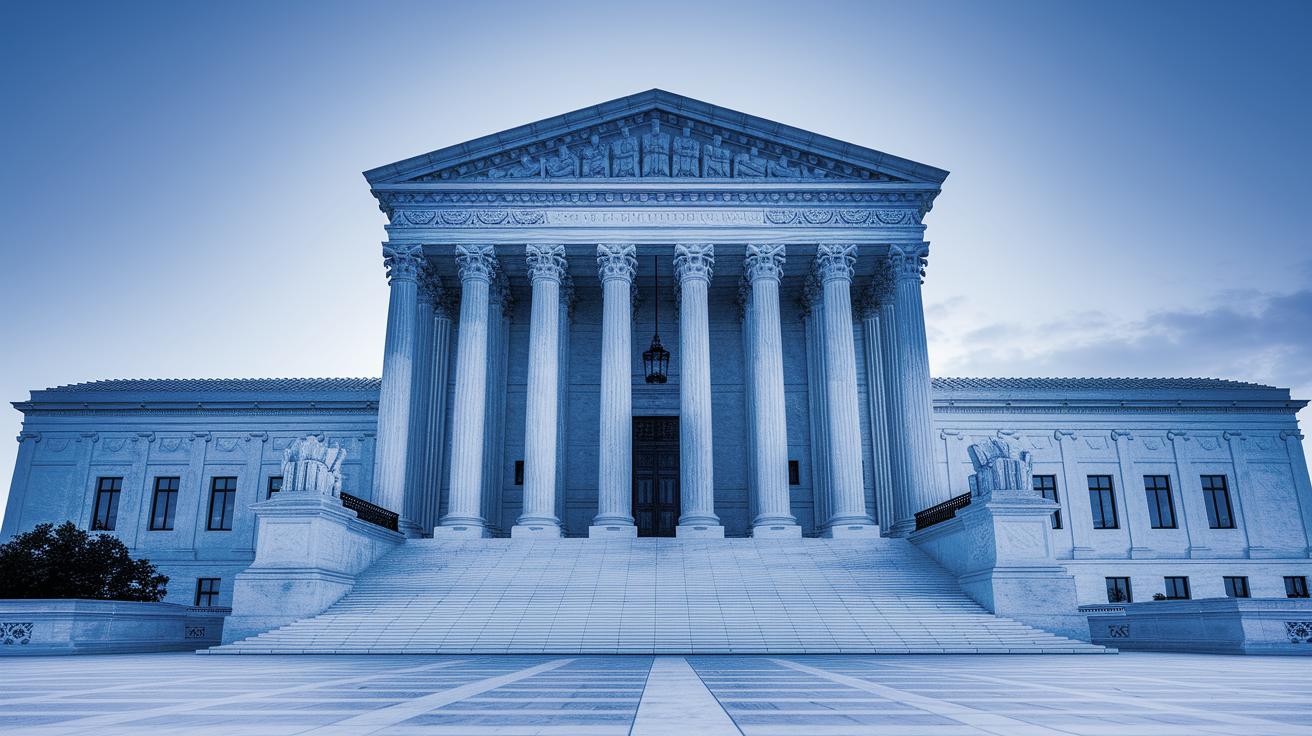
Supreme Court
The Supreme Court of the United States is the highest appellate court in the nation and serves as the ultimate authority on constitutional interpretation. Composed of nine justices, including one Chief Justice and eight Associate Justices, the Court has the power to decide appeals on all cases brought in federal court or those brought in state court but dealing with federal law.
Historically, the Supreme Court plays a crucial role in shaping American society through landmark rulings that influence all facets of public policy, civil rights, and national governance. From Marbury v. Madison to Brown v. Board of Education to more recent decisions on healthcare and same-sex marriage, the Court’s impact is profound and far-reaching.
Courts of Appeals
The United States Courts of Appeals are the intermediate appellate courts of the federal judiciary, often referred to as the “circuit courts.” There are thirteen courts of appeals, each covering a different region or “circuit” across the country, including one court specifically for the Federal Circuit that hears specialized cases, such as those involving patent law.
These courts review decisions made by lower courts, primarily focusing on correcting errors of law and ensuring uniformity in the legal process. While they do not engage in fact-finding, the decisions made in appellate courts can have lasting effects through the establishment of legal precedents.
Inside Look: Appellate Courts
Appellate courts function with a panel of judges, typically three, reviewing the decisions and proceedings of lower courts. Their primary function is not to re-try cases but to evaluate whether the law was applied correctly given the facts that were established in the trial court.
These courts play a key role in streamlining the volume of cases that the Supreme Court reviews, thus providing a critical appellate layer that handles a majority of appeals efficiently. Their rulings are binding in their specific circuit unless overturned by the Supreme Court.
District Courts
District Courts serve as the general trial courts of the United States federal court system. They are distributed across 94 judicial districts throughout the country, each corresponding to a specific geographic area.
These courts handle a broad array of cases, from civil to criminal, covering issues ranging from federal law breaches to civil rights violations. Each district court has at least one United States District Judge, assisted by Magistrate Judges, providing the groundwork for the federal judiciary.
Bankruptcy Courts
Bankruptcy Courts operate under district courts and handle all bankruptcy cases filed in the United States. The need for such specialized courts arises from the requirement for a structured system to deal with matters relating to federal bankruptcy laws.
With specialized procedures and rules, bankruptcy judges oversee issues like Chapter 7 liquidation and Chapter 11 reorganization among others, providing businesses and individuals with a structured process to follow when facing financial distress.
Article I Courts
Article I Courts, or legislative courts, are created by Congress using its legislative powers, distinct from the Article III courts like the Supreme Court. These courts are set up to adjudicate specialized matters such as taxes, military issues, and veterans’ claims.
Examples include the United States Tax Court, the Court of Appeals for the Armed Forces, and the Court of Appeals for Veterans Claims. They play a critical role in managing disputes in very niche arenas, exemplifying the breadth and adaptability of the U.S. judicial system.
Understanding the Federal Courts
Understanding the U.S. federal court system requires recognition of its tiered structure and the distinct roles each court plays. At each level, these courts function together to uphold the rule of law and ensure justice is served efficiently and fairly.
The collaboration among courts, from district to circuit, exemplifies the system’s interconnectivity, making it a complex yet efficiently intertwined network crucial for the functioning of American jurisprudence.
U.S. Federal Courts Circuit Map
The U.S. Federal Courts Circuit Map is a crucial tool for visualizing the geographical organization of the Courts of Appeals. By demarcating regions represented by each circuit, it illustrates how each area of the country has access to an appellate route through the federal system.
This map provides valuable insight into federal jurisdictional boundaries and helps legal professionals and the public understand the reach and authority of each circuit court within the federal judiciary.
Activities for Students
Engaging students in activities surrounding the federal courts can foster a greater understanding of the U.S. legal system. Mock trials, moot courts, and classroom debates are excellent ways for students to explore the intricacies of legal procedures and the importance of judiciary functions.
Additionally, classroom visits from legal professionals and field trips to local courts can provide practical exposure, offering students firsthand experiences that bring the static concepts of constitutional law to life.
Final Thoughts
| Component | Description |
|---|---|
| Supreme Court | The highest appellate court with ultimate constitutional authority. |
| Courts of Appeals | Intermediate federal courts reviewing legal applications from lower courts. |
| District Courts | General trial courts handling a wide range of federal cases. |
| Bankruptcy Courts | Specialized courts dealing with bankruptcy issues. |
| Article I Courts | Congress-created courts for specific legislatively entrusted matters. |
| Federal Court System | A tiered structure ensuring legal uniformity and justice across the U.S. |