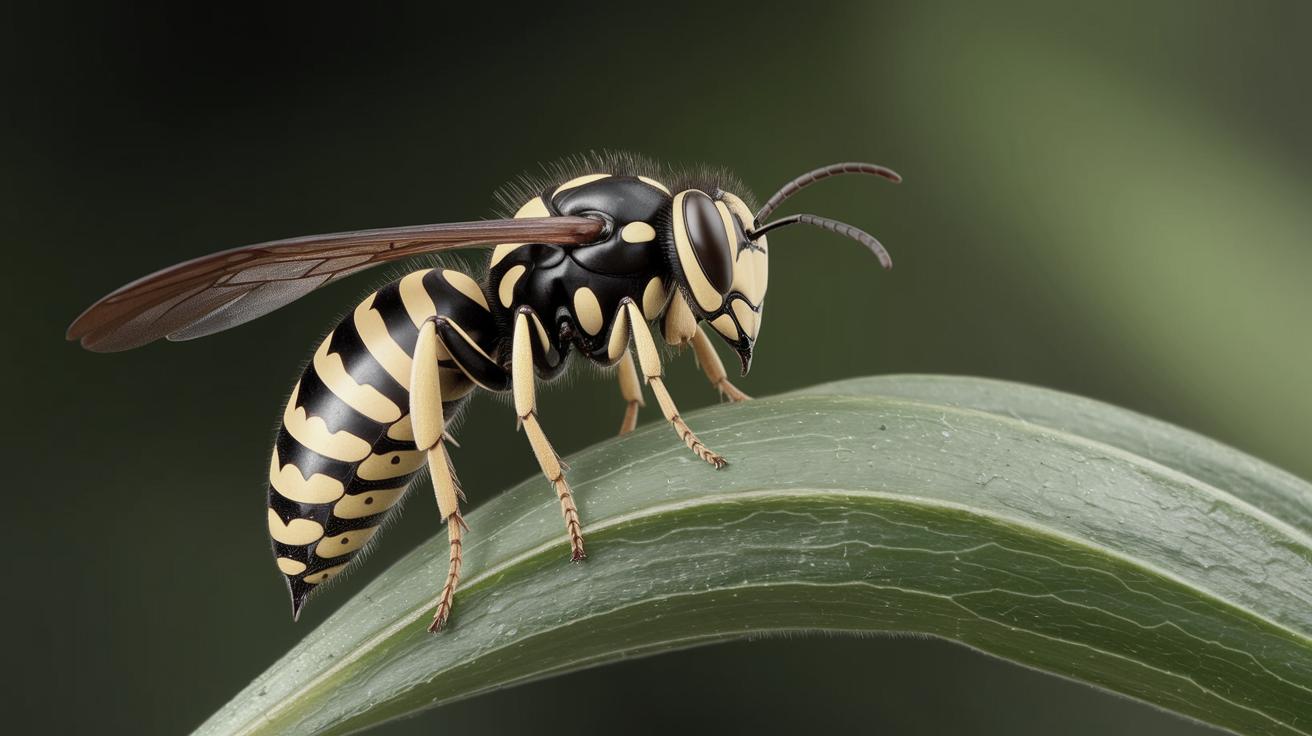
Murder Hornets in the US
The infamous ‘murder hornets,’ known for their aggressive nature and potent stings, have captured significant attention in the United States. This blog post delves into their unexpected arrival, recent eradication efforts, and the ecological implications of their presence. From the dramatic execution of the first US nest with a novel eradication technique to understand why these hornets have made such an impact and why stopping their spread is essential, each section provides key insights into the challenges posed by these invasive hornets. Additionally, we’ll explore the Asian hornets’ journey to North America and discuss the learning strategies adopted by native bees to combat these predators. Finally, we reflect on the collaborative efforts needed to mitigate their spread and examine Jersey’s role in this crucial endeavor.
You might also like:
Engaging with the story of ‘murder hornets’ extends beyond mere curiosity. Readers interested in invasive species, environmental conservation, and entomology will find this topic particularly fascinating. The discussion surrounding these hornets ties into broader themes of human impact on ecosystems and the resilience of native species. By exploring the strategies used to combat these predatory insects, readers can appreciate the complexity of ecological balance.
Similarly, those keen on innovative technologies and methods in pest control would find the approaches used in handling the hornet invasion noteworthy. The interdisciplinary collaborations between scientists, government agencies, and local communities provide a compelling blueprint for addressing ecological challenges that arise from invasive species.
‘Murder hornet’ nest eradicated in US
The successful eradication of the first ‘murder hornet’ nest in the United States marked a significant triumph for entomologists and pest control experts. Located in Washington state, the nest housed a colony of Asian giant hornets, which posed a serious threat to local bee populations and gardening ecosystems. Armed with sophisticated tracking tools and protective gear, a team of experts managed to locate and remove the nest before it could expand further.
This operation not only helped curb the immediate threat but also provided valuable data for ongoing research. The team used radio trackers attached to captured hornets to lead them back to their nest, illustrating the innovative measures necessary to address this invasive menace. The success story of the eradication effort underscores the importance of swift and strategic action in managing invasive species.
First US ‘murder hornet’ nest eradicated with hose
The method used to eradicate the first ‘murder hornet’ nest in the United States was both novel and effective. Experts approached the nest clad in protective gear and utilized custom vacuum hoses to safely capture the hornets. This innovative approach minimized the risk to both the team and the surrounding environment while ensuring the hornets were removed efficiently.
The use of vacuum hoses highlights a creative solution for pest control, drawing attention to the potential for technology and resourcefulness in addressing ecological challenges. This method’s success emphasizes the importance of continued investment in research and development to equip experts with the tools needed to combat invasive species effectively.
These hornets have been given a new name
Though commonly referred to as “murder hornets,” these insects are scientifically known as Vespa mandarinia, and efforts have been made to adopt the more descriptive and culturally sensitive name “Asian giant hornet.” This shift in nomenclature aims to reduce the sensationalism and fear associated with these creatures while providing a more accurate depiction of their Asian origins.
Renaming these hornets reflects a broader movement within the scientific community to use language that respects the regions and cultures from which these species originate. It also serves as a reminder of the intricate relationship between language, perception, and ecological awareness, encouraging a more nuanced understanding of invasive species and their impact.
‘Murder hornets’ land in the US for the first time
The arrival of ‘murder hornets’ in the United States was first recorded in late 2019, sparking urgent calls for research and management plans. Initially discovered in the Pacific Northwest, these hornets were likely introduced through international trade routes, exemplifying the global pathways through which invasive species can travel and establish themselves.
Upon their arrival, concerns quickly mounted regarding their potential impact on native bee populations, crucial pollinators for numerous crops. The concern stemmed not only from the hornets’ predatory nature but also from their aggressive behavior when provoked. This unwelcome introduction underscored the need for comprehensive measures to monitor and prevent the establishment of invasive species.
The Bees Learning to Fight Off Invasive Hornets
In a heartening turn, some bee species are demonstrating adaptive strategies to defend against ‘murder hornets.’ These bees are learning to identify hornet threats early and use cooperative defense tactics, such as forming bee balls to trap and overheat the hornets. This cultural transmission of defensive behavior showcases the resilience and adaptability of honey bee colonies.
The phenomenon of bees adapting to meet new threats also provides an intriguing case study of rapid evolutionary responses in the face of ecological challenges. Understanding these behaviors enriches our knowledge of bee-hornet dynamics and inspires further research into biological adaptation and resilience.
Why are there so many Asian hornets?
The presence of numerous Asian hornets in areas beyond their native range can be attributed to several factors. Changes in global trade and climate conditions have opened new habitats to these hornets, allowing them to find suitable environments more easily. Their relatively broad diet and ability to exploit various ecological niches make them particularly successful invaders.
Another contributing factor is the diminished presence of natural predators in non-native regions, which allows Asian hornets to proliferate without the usual ecological checks and balances. This highlights the complex web of interactions within ecosystems and the need to maintain biodiversity to preserve environmental stability.
Jersey ‘essential’ in stopping spread of hornets
The Channel Island of Jersey has emerged as a critical player in the effort to prevent the spread of Asian hornets further into Europe. With its strategic position, Jersey serves as both a warning and response center, monitoring hornet populations and developing strategies to intercept their advance.
Efforts in Jersey include the deployment of traps and tracking initiatives that inform broader regional strategies. By serving as a case study for effective management and preventative measures, Jersey’s approach offers valuable lessons on the importance of vigilance and preparedness in handling biological invasions.
Next steps
| Section | Summary |
|---|---|
| You might also like | Discussion of the topic’s relevance to invasive species, ecological impact, and pest control. |
| ‘Murder hornet’ nest eradicated in US | The first nest eradicated in Washington; highlights strategic action and innovation. |
| First US ‘murder hornet’ nest eradicated with hose | Details the successful use of vacuum hoses in a safe and effective eradication. |
| These hornets have been given a new name | The move to rename to “Asian giant hornet” to reduce fear and sensationalism. |
| ‘Murder hornets’ land in the US for the first time | Examines their arrival, likely via trade, and potential impacts on local ecosystems. |
| The Bees Learning to Fight Off Invasive Hornets | Highlights bee adaptation and defense mechanisms against hornets. |
| Why are there so many Asian hornets? | Explores reasons for their proliferation, including global trade and lack of predators. |
| Jersey ‘essential’ in stopping spread of hornets | Details Jersey’s strategic efforts to monitor and prevent hornet spread in Europe. |