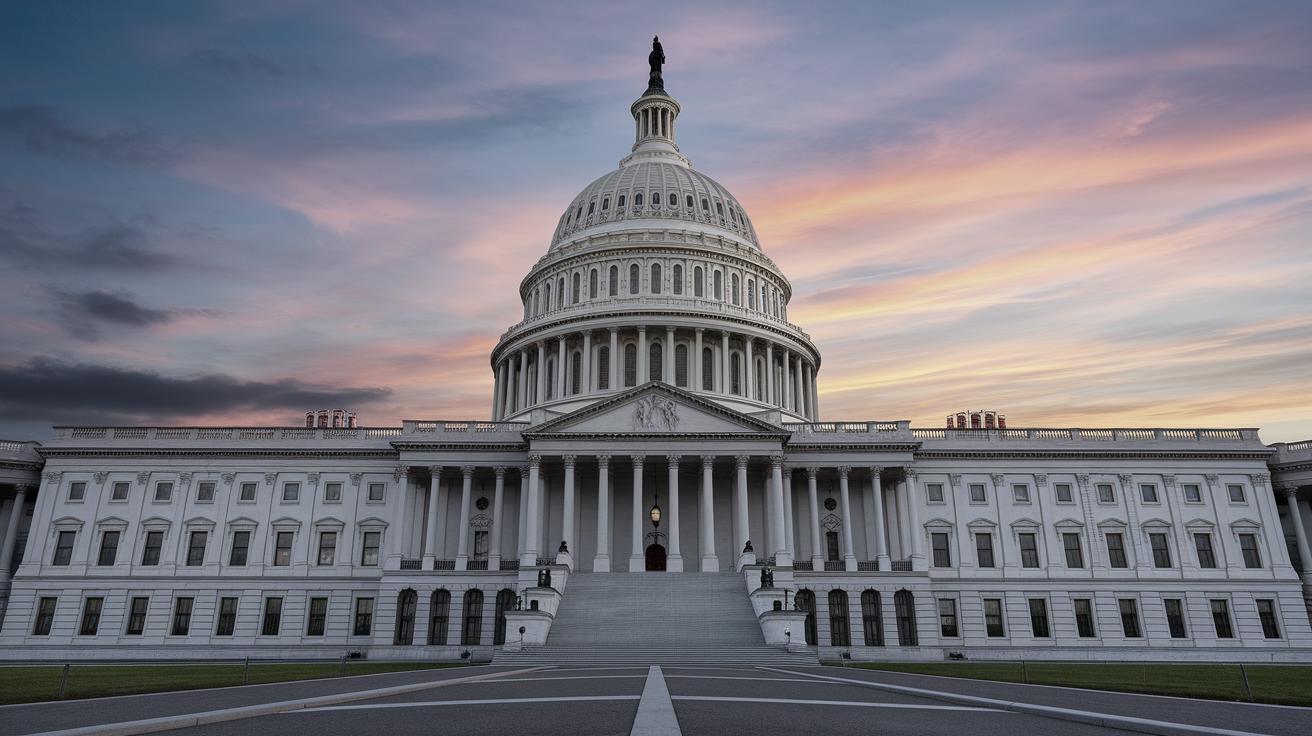
House of Representatives Election: A Comprehensive Overview
The House of Representatives elections are a pivotal component of the democratic process in the United States. These elections not only determine the composition of the House but also influence legislative priorities and national policies. The process of electing representatives is intricate, involving a myriad of factors such as district boundaries, candidate selection, and voter engagement. This blog post delves into the intricacies of these elections, examining the history and structure of the House of Representatives, the election process, and the key issues that often dominate these contests. Additionally, we explore the impact of these elections on governance and policy, providing insights into what voters and stakeholders can expect and how they can engage in this fundamental democratic exercise.
History and Structure of the House of Representatives
The United States House of Representatives has a rich history that dates back to the country’s founding. Established by the U.S. Constitution in 1789, the House is one-half of the U.S. Congress, serving alongside the Senate to form the legislative branch of government. Comprising members who represent the population of the states, the House has grown from its original 65 members to the current 435, reflecting the increasing population and the importance of proportional representation.
The structure of the House has been shaped by significant legislation and amendments. Initially, representatives were allocated based on population estimates, but the passage of the Permanent Apportionment Act of 1929 set the number at 435, redistributing seats following each decennial census. This ensures that shifts in population are reflected in the composition of the House, maintaining a dynamic and responsive legislative body.
Understanding the history and structure of the House is crucial for comprehending the complexities of its elections. The House operates under a framework designed to balance representation with the need for effective governance, offering a check on executive power and a conduit for citizens’ voices at the federal level.
The Election Process
The election process for the House of Representatives is a multifaceted endeavor that combines elements of political strategy, public engagement, and legal regulation. Elections are held every two years, on the first Tuesday after the first Monday in November. This biennial schedule ensures that representatives remain closely aligned with their constituents’ needs and priorities.
Candidates for the House must meet specific requirements, including being at least 25 years old, a U.S. citizen for at least seven years, and a resident of the state they wish to represent. The nomination process varies by state, with some employing primary elections, while others use conventions to select candidates. These preliminaries set the stage for the general election, where voters ultimately decide who will represent them in Congress.
The role of campaign finance, media, and political parties cannot be overstated in the election process. Fundraising capabilities often determine the reach and effectiveness of a campaign, while media coverage can significantly sway public perception. Political parties play a critical role in organizing and mobilizing support, providing a platform for candidates to articulate their vision and policy priorities.
Key Issues in House Elections
House elections often hinge on a range of key issues that resonate with voters and shape the national discourse. Economic concerns, healthcare, education, and national security are perennial topics that influence voter priorities and drive electoral outcomes. The extent to which candidates address these issues can determine their success at the polls.
Economic policies, including job creation, taxation, and minimum wage, frequently dominate House election debates. Candidates propose varied approaches based on their ideological perspectives and the needs of their constituents, aiming to present solutions to bolster economic growth and stability.
Healthcare remains a contentious issue, with debates centering on the affordability and accessibility of healthcare services. Candidates outline their positions on healthcare reform, Medicare, and Medicaid, seeking to align with voters’ preferences and concerns. Likewise, education policy, including funding, school choice, and curriculum standards, plays a pivotal role in shaping the direction and focus of House election campaigns.
Impact on Governance and Policy
The outcome of House elections has significant implications for governance and policy-making in the United States. A shift in the balance of power can lead to changes in legislative priorities, influencing the agenda of Congress and the administration’s ability to implement its policies. When the House is closely divided, legislation may require bipartisan support, fostering negotiation and compromise.
House elections also affect committee assignments and leadership roles within Congress. The majority party typically controls key committees, setting the legislative agenda and overseeing significant policy areas. This control impacts the development and passage of legislation, underscoring the importance of electoral outcomes in shaping the country’s legislative direction.
Moreover, House elections reflect the political climate and voter sentiment, providing insights into public priorities and concerns. These elections serve as a barometer for the administration’s performance and are often seen as a referendum on current policies, influencing strategic decisions by political parties and candidates.
Next Steps
| Aspect | Details |
|---|---|
| History and Structure | Established in 1789, comprising 435 members; key legislation includes the Permanent Apportionment Act of 1929. |
| Election Process | Biennial elections, candidate requirements, role of campaigns, media, and political parties. |
| Key Issues | Economic policies, healthcare, education, national security; influencers of electoral outcomes. |
| Impact on Governance | Changes in legislative priorities, committee assignments, public sentiment reflection. |