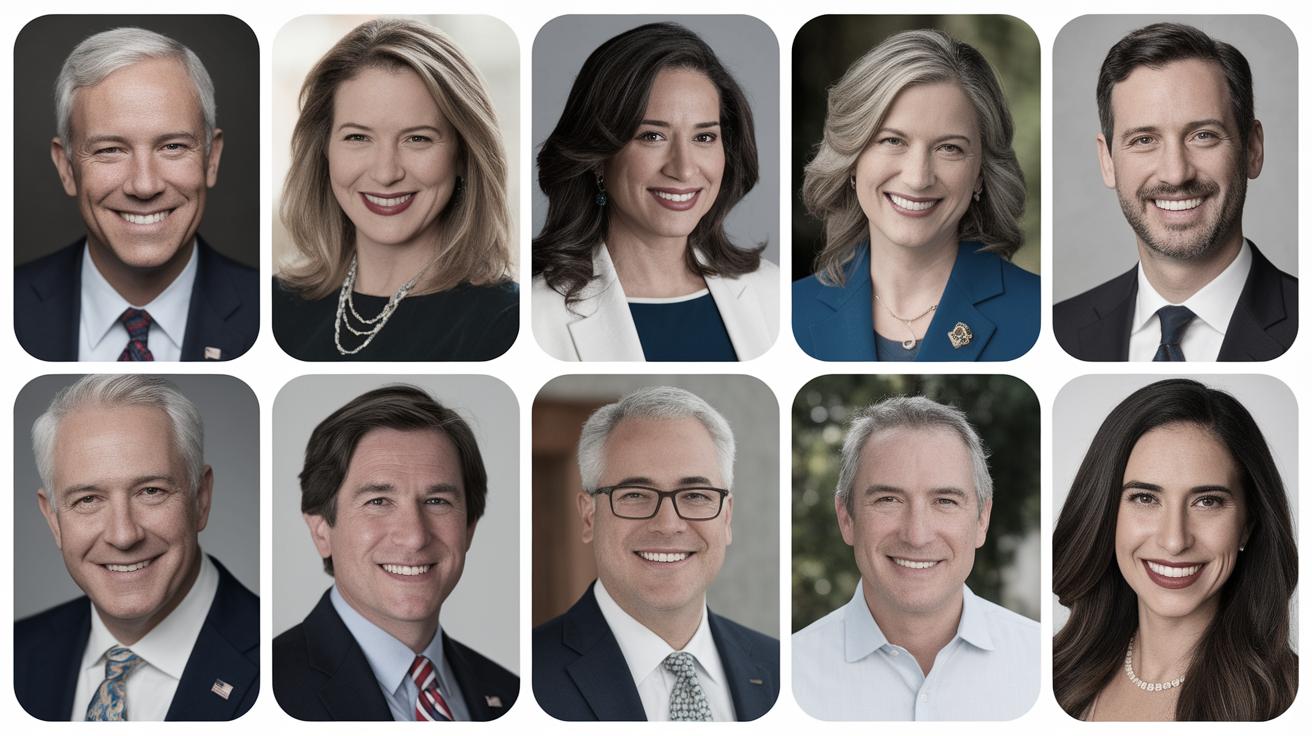
Exploring the Top 10 Democratic Presidential Candidates for 2024
As the political landscape begins to shape for the 2024 Presidential Election, the Democratic Party is once again at the forefront with its wide array of potential candidates. This blog post examines the top 10 Democratic contenders, highlighting those who are actively campaigning as well as individuals who have dropped out. Additionally, we will delve into the number of candidates over time and provide some context with an overview of Republican counterparts and independent and third-party influences. This comprehensive look aims to inform readers about the potential frontrunners for one of the most pivotal elections in modern history, coupled with insights into their strategies, popularity, and vision for the future of the United States.
Democrat
The Democratic field for the 2024 election comprises a diverse and dynamic range of candidates, each bringing unique perspectives and policies to the table. From progressive lawmakers to seasoned politicians with extensive experience in public office, the Democratic Party is preparing to present a robust challenge to their counterparts.
Among these prominent figures are names like Joe Biden, the incumbent president whose administration has faced both praise and criticism, and Kamala Harris, the sitting Vice President keen on addressing socio-economic disparities. Other potential candidates include younger, progressive voices such as Alexandria Ocasio-Cortez, who may appeal to a new generation of voters eager for change and innovation.
Running
Currently, several Democrats have announced their candidacy for the presidency, leading their campaigns with varied central issues. Some major issues that have gained attention include climate change, healthcare reform, and economic equity—all crucial for garnering support from key demographic groups.
The race for the Democratic nomination is likely to be as competitive as past years, with roots in the party’s progressive versus moderate divide. Candidates are expected to showcase their unique platforms early on, driving debates and discussions that will shape the party’s ultimate nominee.
Dropped out
Campaign dynamics inevitably lead some candidates to withdraw from the race. Often, these decisions are based on strategic assessments of polling numbers, funding, and party support. Early indications suggest that several lesser-known candidates may not sustain prolonged campaigns, highlighting the rigorous nature of presidential races.
Such withdrawals affect the remaining field and potentially realign support among active candidates. This evolution prompts remaining contenders to adjust their strategies and strengthen alliances to bolster their positions within the party electorate.
Republicans
On the other side of the political aisle, the Republican Party is actively strategizing to reclaim the presidency, presenting its own slate of potential candidates. The 2024 election is particularly significant for the GOP, as it seeks to regain influence over national policy and counteract Democratic initiatives.
High-profile Republican figures, such as Donald Trump if he chooses to run again, or rising stars like Ron DeSantis, will serve as key competitors. Their presence compels Democratic candidates to distinguish themselves, solidify their base, and potentially draw bipartisan support.
Independent and third-party
In addition to the traditional two-party system, independent and third-party candidates play a critical role in shaping the election’s outcome. Although historically these candidates face challenges in securing the presidency, they can significantly impact the race by swaying voter sentiment and drawing votes away from major party candidates.
Figures such as Andrew Yang, with his new Forward Party, or other political newcomers may disrupt the status quo, driving conversations about the current political system’s effectiveness and challenging the mainstream platforms of their major counterparts.
Number of candidates in the race over time
Over the decades, the number of individuals vying for presidential nominations has fluctuated based on both national interest and party strategy. Initial stages often see a crowded field, eventually narrowing through debates, primaries, and caucuses.
This dynamic progression reflects broader political climates, social movements, and pressing issues tackled by candidates. How the number of candidates evolves in 2024 will provide insight into prevailing public sentiments and political priorities.
Democrats
The Democrats exhibit a breadth of experience and ideological diversity as they prepare for 2024. From seasoned campaigners with past election cycles to fresh faces offering innovative perspectives, the party aims to reinvigorate its platform to better align with evolving voter expectations.
Understanding the internal dynamics within the Democratic cohort will be essential for voters seeking to make informed decisions, ensuring the chosen nominee best represents both party ideals and the electoral landscape.
More about the candidates
Gaining a comprehensive understanding of each candidate’s background, policies, and campaign strategies is vital for evaluating their electoral viability. Detailed analyses focusing on their political records, commitments to public service, and ability to handle critical issues are essential for an informed electorate.
As media narratives and public discourse unfold, examining candidates’ electoral strategies and media engagements will offer deep insights into their potential to succeed in the election and lead the nation effectively.
Future Prospects
| Category | Details |
|---|---|
| Democrats Running | Multiple diverse candidates highlighting key issues such as climate change and economic equity. |
| Withdrawn Candidates | Strategic withdrawals affecting the remaining candidates’ campaigning strategies. |
| Republican Candidates | Opponent analysis including Donald Trump and Ron DeSantis as potential front-runners. |
| Independent and Third-party Impact | Potential for disrupting mainstream election dynamics and introducing fresh perspectives. |
| Number of Candidates | Insight into candidate fluctuations and their implications on the broader electoral process. |