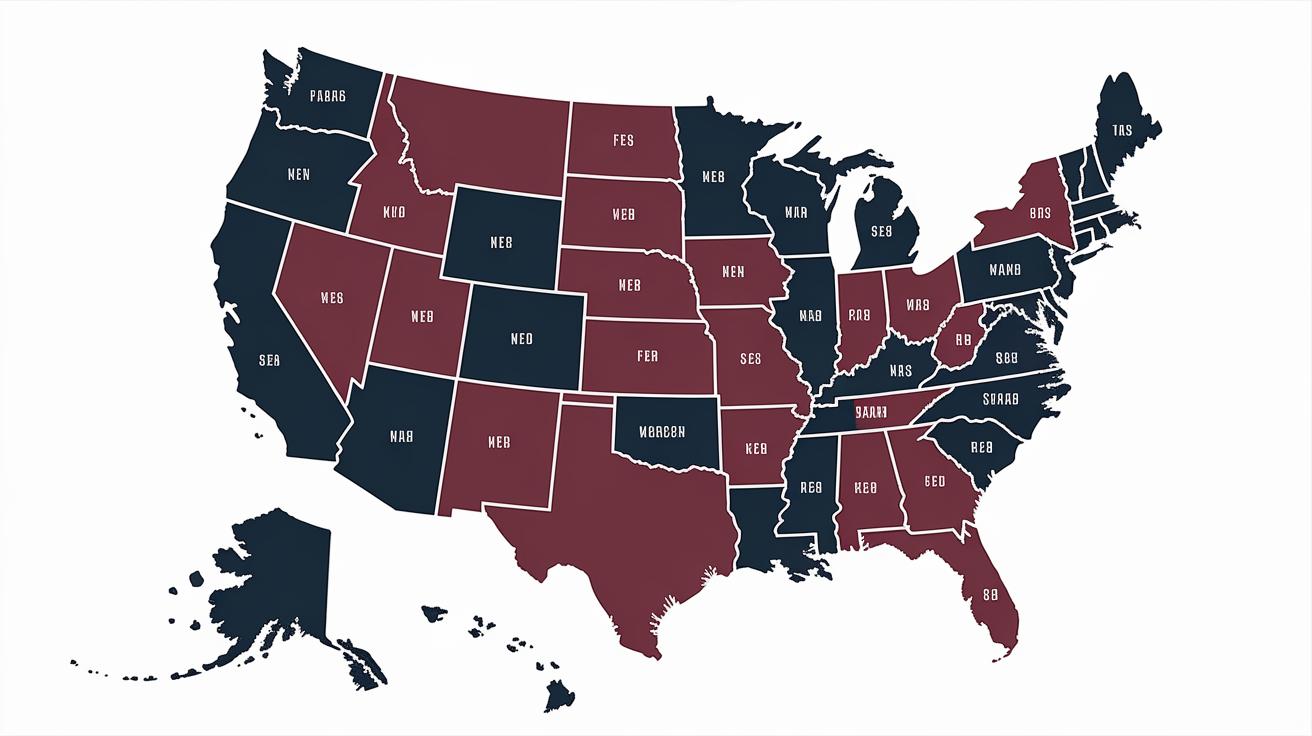
Red and Blue States Map 2024: An Insightful Analysis
The 2024 United States presidential election is drawing near, bringing with it an air of anticipation and speculation. This blog post seeks to delve into the dynamics of the election through a meticulously detailed map of projected outcomes. We’ll explore swing states, predictive forecasts, and the intricacies of results across various states. Additionally, by examining factors such as the electoral college estimates and notable historical election patterns, we strive to provide a comprehensive perspective on this pivotal event. This analysis aims to help readers understand the nuances of the upcoming election and the potential paths it might take.
An Extremely Detailed Map of the 2024 Election
The 2024 presidential election map promises to be a fascinating visual representation of America’s political landscape. With anticipated shifts and continuities from previous elections, this map will play a pivotal role in showcasing which states hold steadfast to their traditional political leanings and which remain battlegrounds. In examining the intricacies of the map, it’s crucial to understand how historical voting patterns might influence the current electoral forecast.
Analyzing such a map unveils the complexity of regional preferences and the importance of demographic trends. Diverse factors such as urbanization, economic changes, and sociopolitical movements shape the political climate in each state. By scrutinizing these elements, we can gain insights into how the election might unfold, offering a clearer picture of which states will be crucial in determining the outcome.
Tracking the Swing States
Swing states, often known as battleground states, are those with a history of shifting political allegiances between Democratic and Republican candidates. In 2024, these states are once again in the spotlight as they hold the key to electoral victory. Past elections have demonstrated the decisive impact swing states have, and understanding their dynamics is essential for predicting the election’s outcome.
The diverse demographics and regional issues within swing states make them unpredictable yet fascinating subjects of study. As such, tracking voter sentiment and changes in public opinion within these states provides crucial insights for both political analysts and the general public. Consequently, swing states will likely receive heightened attention from candidates aiming to tip the scales in their favor.
Most competitive states
In the 2024 election, we anticipate a few states emerging as the most competitive. These states often experience close races, and predictions indicate that they will determine the final outcome yet again. Given their diverse demographics and rapidly changing political climates, the most competitive states will be central to campaign strategies on both sides.
Such states become battlegrounds not only for political influence but also for campaign resources. Candidates devote substantial attention, funding, and time to secure the votes of these pivotal areas, knowing that winning even a single competitive state could significantly sway the overall electoral outcome.
Live Forecast of the Outcome
As election day approaches, live forecasts and analytical models provide real-time predictions of possible outcomes. These forecasts consider a myriad of factors, including polling data, historical voting patterns, and current political trends. Continual updates ensure that they reflect the latest shifts in voter sentiment, offering a dynamic view of the election landscape.
Live forecasts can help contextualize how states are leaning and identify any emerging patterns or surprises. They offer a snapshot of the electoral race, presenting an engaging narrative as the nation counts down to election day. By closely following these forecasts, voters and analysts alike can stay informed and engaged with the evolving political scene.
Chance of winning
Each party’s chance of winning varies over time, influenced by campaigns, debates, and national events. Probability models utilize complex algorithms to calculate the likelihood of each candidate securing a win, which can serve as a guide for gauging the momentum of each campaign.
Understanding these probabilities offers a window into the fluctuating nature of political campaigns. As the election progresses, shifts in these chances can reflect the effectiveness of campaign strategies and the resonance of candidate messages with the electorate.
Electoral College Estimate
The United States electoral system is unique, with the Electoral College playing a decisive role in presidential elections. Estimates of the Electoral College outcome provide a structured view of how votes are likely distributed, factoring in state-by-state results to project the projected winner.
By analyzing these estimates, observers can gain insight into which states are crucial for a potential victory and which serve as reliable sources for electoral points. Understanding the mechanics of the Electoral College is fundamental in comprehending the broader strategies behind presidential campaigns.
Results by State
Analyzing the election results state-by-state offers a granular view of the national electoral picture. Each state’s outcome can reveal unique political characteristics and shifts, encompassing a wide array of factors from local to national issues.
State results can highlight trends such as party dominance, shifts in voter priorities, and emerging influential regions. By understanding these outcomes, we can glean insights into the diverse political landscape across the United States, revealing how each state’s choice contributes to the overarching electoral narrative.
Chance of winning
The likelihood of a win in each state becomes apparent through a combination of historical data and current political climate assessments. By evaluating these chances, we can identify which states are solidly in one camp or the other and which remain battlegrounds.
The shifting possibilities underscore the unpredictable nature of elections, where even slight changes in public opinion can sway the overall outcome. Keeping track of these probabilities is key to understanding the dynamic tensions at play in the electoral race.
Electoral College Estimate
Drilling down into each state’s Electoral College estimate provides a closer look at how regional preferences could impact the national outcome. This aspect of the electoral process is integral to forecasting potential scenarios and strategizing appropriately.
Breaking down the numbers offers important insights into the weight each state carries in the broader election. Recognizing which states hold the most electoral power can guide both campaign focus and voting behavior analysis.
2024 General Election Results
The final results of the 2024 General Election encapsulate various layers of the country’s current political landscape. This election may mark significant shifts in voter sentiment, policy direction, and leadership style, ultimately influencing America’s path forward.
Understanding these results involves looking at the broader context of global and domestic issues that shaped voter decisions. As these returns are analyzed, they offer vital clues about the future directions of American politics and the leadership goals set forth by the electorate.
National Results
National results provide a big-picture look at the collective will of the American people, reflecting the nation’s priorities and ideological leanings. These results can highlight patterns and deviations across different election cycles, offering insights into long-term political trends and the evolving demands of the populace.
By combining these national figures with individual state outcomes, we gain a clearer vision of the overall political movement and shifts in voter attitudes that defined this election cycle.
Issues on the Ballot
The 2024 election ballot encompasses a wide range of issues that hold varying degrees of significance for voters. Key topics may include healthcare, the economy, climate change, social justice, and international relations, each influencing voter choices and ultimately shaping the election results.
Understanding these issues in their complexity offers insight into what voters prioritize and how these priorities drove the election. By evaluating the issues on the ballot, we can predict future policy directions and the impact these decisions may have on the country’s trajectory.
Past Elections
Comparatively examining results from past elections allows us to identify trends, deviations, and recurring themes. Historical data provides a context for understanding current political dynamics and can be instructive in predicting future electoral behavior.
These comparisons not only illustrate how voter preferences evolve over time but also serve as reminders of the factors that provoke change or reinforce consistency in electoral patterns. Learning from past elections enriches our comprehension of the present and informs strategies for future campaigns.
Lessons Learned
| Category | Key Insights |
|---|---|
| Detailed Map | Reflects historical patterns and emerging trends impacting the election. |
| Swing States | Critical in determining the election outcome; close attention to voter sentiment is essential. |
| Live Forecast | Offers dynamic insight into shifts and trends as election day nears. |
| State Results | Reveal unique political characteristics and contributions to national narrative. |
| General Results | Reflect national priorities and issues driving voter decisions. |
| Past Elections | Provide context for current trends and strategies for future prediction. |