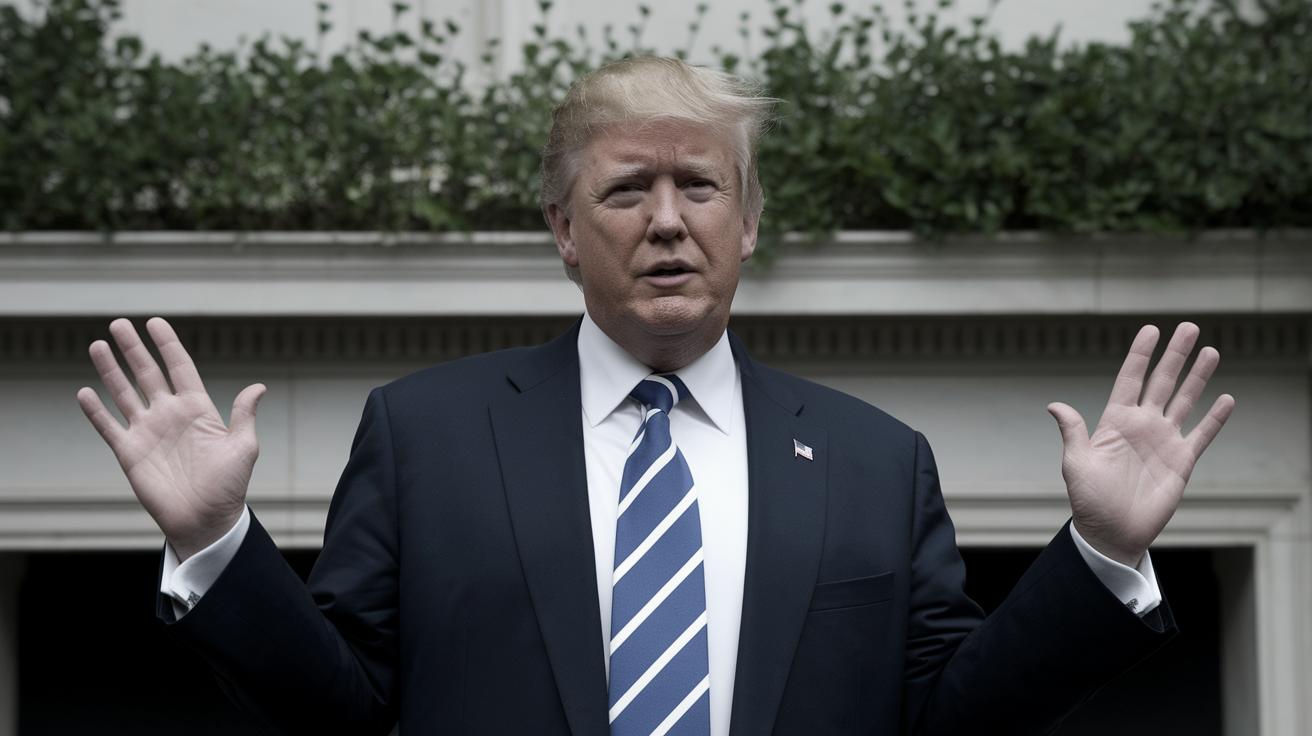
Trump Breaking News Today
Today’s discussions about Donald Trump span a wide array of topics, from his tariffs policies and executive orders to his plans for Greenland and recent appointments. This blog post provides a comprehensive view of these subjects, analyzing each with regard to their implications and significance. As we delve into tariffs, executive actions, and political maneuvers, we also explore personal narratives from Melania Trump’s initiatives to the international implications of Trump’s strategies. With political dynamics constantly evolving, understanding these topics is crucial for gaining insight into current and future developments under Trump’s influence.
A quick guide to Donald Trump
Donald Trump, the 45th President of the United States, has been a central figure in American and global politics. Before entering politics, Trump was a businessman and television personality, best known for his real estate development ventures and the reality TV show “The Apprentice.” Born in Queens, New York, Trump graduated from the Wharton School of the University of Pennsylvania with a degree in economics.
During his presidency from 2017 to 2021, Trump was known for his unconventional approach to politics, often using social media platforms like Twitter to communicate directly with the public. His presidency was marked by significant tax reforms, deregulation, and controversial policies on immigration and trade. Trump’s influence has continued to be felt even after his presidency, maintaining a significant base of supporters and remaining a prominent figure in the Republican party.
Analysis
Analyzing Donald Trump’s influence on American politics requires understanding his impact on various policy areas and public discourse. Trump’s strategies often focused on bold, direct communication and policy initiatives that challenged traditional norms. His “America First” agenda emphasized renegotiating trade deals, reducing immigration, and increasing military spending.
The polarizing nature of Trump’s policies and rhetoric sparked significant debate and division. Supporters credit him with revitalizing certain sectors of the economy and standing firm against international competitors, while critics argue that his decisions frequently resulted in diplomatic tensions and domestic unrest. Examining the entirety of Trump’s influence highlights the lasting mark his presidency has left on both American politics and the global stage.
Why Trump’s tariffs aren’t really reciprocal
Trump’s trade policies, particularly his imposition of tariffs, were premised on promoting fairness and reciprocity in international trade. However, critics argue that these tariffs were not truly reciprocal, pointing out that the imposed tariffs often exceeded those faced by American exporters in other countries. This created friction with international trade partners and led to trade wars, notably with China.
The tariffs aimed to protect American industries, such as steel and aluminum, and reduce trade deficits. However, they also resulted in increased costs for American consumers and businesses importing goods from abroad. Although intended to level the playing field, the reality was a complex web of economic consequences that varied across sectors, compelling many industries to seek alternative supply chains to mitigate the impact.
How were Donald Trump’s tariffs calculated?
The calculation of Donald Trump’s tariffs involved a mix of economic analysis and political strategy. These tariffs were generally set as a percentage of the value of the imported goods. For example, tariffs on steel imports were set at 25%, while those on aluminum were 10%. The intention was to make foreign goods more expensive, thereby encouraging consumers and businesses to purchase domestically.
Trump’s administration evaluated the need for tariffs based on factors such as protecting national security and fostering domestic industries. Despite these intentions, the tariffs prompted retaliation from other countries, complicating international trade relations and leading to negotiations aimed at resolving trade disputes through diplomatic channels.
The influencers who want the world to have more babies – and say the White House is on their side
Influencers advocating for increased birth rates often cite economic growth and cultural longevity as primary reasons, arguing that societies with higher birth rates tend to have more sustainable development. These influencers claim that the White House, under Trump’s administration, shared some of these goals by promoting policies aimed at supporting families and reducing economic burdens on parents.
Through measures like tax credits for families and advocating for parental leave reforms, the Trump administration endeavored to encourage family growth, albeit indirectly supporting the agenda promoted by these influencers. This alignment, intentional or otherwise, reflects shared values regarding the importance of family in contributing to a nation’s economic and social fabric.
Ros Atkins on… Trump’s plan for Greenland
Ros Atkins explores the peculiar and unexpected development during Trump’s presidency focusing on the proposition to purchase Greenland. While the idea initially seemed outrageous, it stemmed from strategic considerations regarding Greenland’s natural resources and geopolitical significance, particularly in the Arctic region.
The proposal was met with backlash from both Denmark, which controls Greenland, and international observers, many of whom viewed it as imperialistic. Although the plan was quickly dismissed, it highlighted Trump’s unconventional approach to international relations and strategic planning, sparking debates over modern-day territorial expansions and national sovereignty.
Trump’s team
Throughout his presidency, Donald Trump assembled a team of advisors and officials who played crucial roles in driving his policy agenda. These individuals were often characterized by their loyalty to Trump and shared ideals, ranging from economic policy to national security. Notable figures included Mike Pence, Stephen Miller, and Steve Bannon, each shaping different facets of the administration’s priorities.
However, Trump’s team was also marked by high turnover rates, with many advisors and cabinet members resigning or being dismissed amid conflicts or policy disagreements. This dynamic, while maintaining a close inner circle, contributed to a perception of instability and frequent shifts in policy direction. Understanding the composition and evolution of Trump’s team provides insight into the administration’s operations and decision-making processes.
Trump names podcaster Dan Bongino as deputy FBI director
In a surprising move, Donald Trump nominated Dan Bongino, a conservative podcaster and former Secret Service agent, as deputy FBI director. Bongino, known for his vocal support of Trump and criticism of mainstream media, represents a bold choice reflective of Trump’s inclination towards selecting individuals aligned with his ideological stance.
Bongino’s appointment sparked discussions regarding the politicization of law enforcement agencies, emphasizing the delicate balance between maintaining agency independence and aligning with an administration’s objectives. As the FBI plays a critical role in national security, this appointment underscores the broader implications of political influence on law enforcement and judicial processes.
Who is Elon Musk?
Elon Musk is a visionary entrepreneur known for founding and leading several innovative companies, including Tesla, SpaceX, and Neuralink. Born in South Africa, Musk moved to the United States to pursue his academic and entrepreneurial ambitions. His ventures have substantially impacted industries such as automotive, aerospace, and technology.
Musk’s relentless pursuit of groundbreaking ideas and commitment to sustainability align with certain elements of Trump’s economic agenda, although their approaches and philosophies often differ. Musk’s influence on modern technology and global economic shifts positions him as a pivotal figure in both the private sector and public discourse.
The chosen ones – 10 people trusted to deliver for Trump
During his presidency, Trump relied on a core group of trusted individuals to implement his policies and support his political strategies. This group, dubbed “the chosen ones,” consisted of figures like Jared Kushner, Ivanka Trump, and Mike Pompeo, each responsible for different aspects of Trump’s agenda, from foreign policy to economic reform.
The trusted group acted as a liaison between Trump and various governmental departments, often executing his directives despite significant challenges and public scrutiny. Their dedication and ability to maneuver through political intricacies highlight the loyalty and commitment required to navigate the complexities of his administration effectively.
A quick guide to JD Vance
JD Vance is an American author and venture capitalist known for his bestselling memoir “Hillbilly Elegy,” which provides a candid portrayal of life in Appalachia and the socio-economic challenges faced by many working-class Americans. Vance has been a prominent voice in discussions about economic disparities and cultural identity in the United States.
Vance’s viewpoints resonate with some of Trump’s policies regarding economic empowerment and restoring American communities. His insights into the challenges faced by rural populations offer valuable context in understanding the socio-political dynamics that shaped Trump’s support base and political strategies.
RFK Jr sworn in as US Health and Human Services chief
Robert F. Kennedy Jr., an environmental attorney and vaccine skeptic, took office as the US Health and Human Services chief, reflecting the Trump administration’s efforts to address various health challenges. His appointment signaled a shift towards embracing alternative viewpoints and addressing public concerns surrounding health policies.
Kennedy’s stance on specific health issues, particularly vaccines, sparked controversy, and debates on science’s role in policy-making. Nevertheless, his leadership represented a commitment to tackling health concerns from multiple perspectives, emphasizing the need for diverse and inclusive approaches in public health administration.
Melania Trump
Melania Trump, the former First Lady of the United States, experienced a complex public persona throughout her tenure. Originally from Slovenia, Melania moved to the US pursuing a modeling career before marrying Donald Trump in 2005. Her focus as the First Lady included initiatives on children’s welfare and combating cyberbullying.
Although often maintaining a reserved public presence, Melania’s influence and style received attention, symbolizing a blend of traditional first-lady duties with a modern twist. Her initiatives aimed at positively impacting children globally, shedding light on the significance of soft diplomacy in international relations.
Melania Trump, enigmatic first lady who might do it differently this time
As Melania Trump transitions from her role as First Lady, speculation surrounds her potential re-emergence in public life. Her enigmatic presence during her husband’s presidency left many wondering about her future contributions and ability to craft a distinct legacy.
Melania’s understated yet impactful initiatives signify her intent to continue influencing social issues and diplomatic relations, potentially reimagining the role of a former First Lady. Whether through philanthropic endeavors or re-engaging in political discourse, Melania’s future actions may shape the evolving narrative of her contributions and impact.
Decoding Melania Trump’s new official portrait
Melania Trump’s new official portrait exudes elegance and sophistication, capturing her poised demeanor. The portrait’s subtle elements, including lighting and attire, reflect her personal style and approach as the First Lady, combining both traditional and modern aesthetics.
The portrait serves as a visual representation of her legacy, emphasizing grace under the pressures of public life. Interpreting the nuances of the portrait offers insights into how Melania wishes to be remembered and the cultural impression she intends to leave behind.
What lies ahead for Trump family now?
The path forward for the Trump family involves navigating shifting political landscapes and potential re-engagement in political arenas. As Donald Trump remains influential within the Republican party, subsequent developments will likely involve balancing family dynamics and public aspirations.
Whether pursuing new political roles, expanding business ventures, or influencing media narratives, the Trumps continue to capture public attention. Their approach to future challenges and opportunities will undoubtedly contribute to ongoing discussions about their impact on American politics and society.
Melania Trump launches her own cryptocurrency
In a surprising entrepreneurial move, Melania Trump announced the launch of her cryptocurrency, aiming to capitalize on the burgeoning digital currency market. The venture reflects her interest in embracing technological advancements and exploring new economic opportunities beyond traditional confines.
The cryptocurrency initiative further cements Melania’s commitment to innovation and financial independence, showcasing her adaptation to contemporary economic shifts. This development also positions her as a pioneering figure in digital finance, encouraging others to explore similar ventures in emerging markets.
In video
Visual mediums have played a significant role in how Donald Trump communicates with the public, from campaign videos to official speeches. These videos provide a dynamic platform for conveying policy positions, rallying support, and framing narratives in a rapidly evolving media landscape.
Tracking the evolution of Trump’s video usage reveals his strategy of combining traditional media approaches with modern digital outreach to engage diverse audiences effectively. This blend highlights the power of video in shaping public perceptions and advancing political objectives.
Tracking President Trump’s love for charts over the years
Throughout his presidency, Donald Trump demonstrated a fondness for using charts in presentations to simplify complex data and bolster arguments. This visual tool allowed him to communicate economic achievements, policy outcomes, and strategic goals to both the public and political peers.
The use of charts facilitated an accessible understanding of intricate information, reinforcing his administration’s focus on transparency and accountability. Analyzing these visuals can provide insight into how Trump’s communication strategies evolved, emphasizing the importance of clarity in political discourse.
The UK and US fallout from Trump’s tariffs… in 70secs
The impact of Trump’s tariffs extended beyond American borders, influencing international trade relations and sparking reactions from key allies such as the United Kingdom. Economic tensions arose regarding industries affected by these tariffs and their contributions to broader geopolitical dynamics.
In only 70 seconds, succinctly summarizing these developments reveals the far-reaching consequences of trade policies, emphasizing the interconnectedness of global markets. Understanding these relationships is critical for comprehending the broader economic ripple effects generated by tariffs and trade actions.
What is a tariff?
A tariff is a tax or duty imposed on imported goods and services, often aimed at protecting domestic industries by raising the cost of foreign products. Tariffs can also serve as a tool for governments to negotiate better trade terms with other nations or retaliate against foreign economic policies perceived as unfair.
In practice, tariffs can lead to increased consumer prices, disrupted supply chains, and shifts in international trade dynamics. They remain a contentious topic, balancing domestic economic protection against potential global trade conflicts and consumer impacts.
How the US tariffs will affect you
The imposition of US tariffs under Donald Trump’s administration has tangible effects on consumers and businesses, increasing prices for imported goods and influencing consumer choices. Industries relying on imported materials face costlier production processes, potentially leading to higher retail prices.
Individuals can feel the impact through increased costs for everyday products, from electronics to clothing, as businesses pass on tariff-related expenses to consumers. Understanding these effects is essential for appreciating the broader economic implications of trade policies and their influence on daily living standards.
Trump tariffs
The tariffs introduced by Donald Trump during his presidency encompassed several sectors, including steel, aluminum, and technology. These tariffs aimed to protect American businesses from international competition and reduce trade deficits with key trading partners such as China and the European Union.
While domestic producers benefited from reduced foreign competition, the tariffs also faced backlash due to retaliatory measures from other countries and increased consumer costs. The complex outcomes of these tariffs highlight both the challenges and opportunities of wielding trade policy as an economic instrument.
What tariffs has Trump announced and why?
Throughout his tenure, Trump announced tariffs targeting various industries with the goal of revitalizing domestic production and addressing trade imbalances. The tariffs primarily targeted metal industries, such as steel and aluminum, alongside sectors like technology and agriculture.
By applying these tariffs, Trump aimed to pressure other nations into renegotiating trade agreements favorable to the United States. However, these measures also triggered trade disputes and retaliations, complicating international economic relations and necessitating ongoing diplomatic efforts to resolve conflicts.
Worst week for US stocks since Covid crash as China hits back on tariffs
The escalation of trade tensions between the United States and China reached a pivotal point when China retaliated against Trump’s tariffs, leading to one of the worst weeks for US stocks since the Covid-19 pandemic began. The stock market volatility highlighted investor concerns regarding prolonged trade disputes and their effects on global economic stability.
Companies with significant exposure to international markets faced declining stock prices amid fears of dwindling profits and supply chain disruptions. This period underscored the interconnectedness of global trade and finance, with significant policy shifts potentially causing ripple effects across international markets.
The British winners and losers from Trump tariffs
Trump’s tariffs created distinct winners and losers amongst British industries, primarily affecting sectors involved in steel production and agriculture. UK steelmakers, who exported a significant portion of their output to the US, faced challenges from increased tariffs, affecting competitiveness and profitability.
Conversely, some sectors benefited from shifts in market dynamics as alternative trade arrangements arose to circumvent tariffs. Analyzing these outcomes offers insight into the nuanced and multifaceted impact of trade policies on international partnerships and domestic industry growth.
How does it affect me if share prices fall?
A fall in share prices can affect individuals in several ways, especially for those with investments in the stock market or retirement portfolios. Reduced stock values can diminish personal wealth and savings, potentially impacting future financial security and consumer confidence.
These fluctuations can also influence broader economic health, potentially leading to reduced corporate investment, lower employment rates, and economic contractions. Understanding these impacts helps individuals make informed financial decisions and prepare for volatility in economic conditions.
What Trump has done – and why it matters
Donald Trump’s actions throughout his presidency have left a lasting imprint on American and international politics. From tax reform and deregulation to trade policies and environmental decisions, his policies have reshaped political landscapes, affecting economic and social dynamics across the globe.
Each policy decision reflects specific ideological and strategic considerations, influencing everything from domestic job markets to international alliances. Examining these actions post-presidency highlights their significance and continues to influence political discourse, policy-making, and public expectations.
Executive orders
Executive orders issued by Trump during his presidency encompassed various areas, including immigration, environmental policies, healthcare, and national security. These direct actions allowed Trump to implement changes rapidly, often circumventing congressional gridlock or opposition.
While effective in enacting immediate change, executive orders are vulnerable to reversal by subsequent administrations, leading to potential policy uncertainty. Tracking these orders provides valuable insights into the strategic use of executive power and its implications for government policy continuity.
Trump says he is ‘just getting started’ in speech to US Congress
In a notable speech to Congress, Donald Trump declared that his administration was “just getting started,” emphasizing ongoing commitments to revitalizing the American economy, strengthening national security, and pursuing ambitious legislative goals. This address encapsulated the administration’s forward-looking vision and readiness to tackle remaining challenges.
The speech highlighted key priorities, such as infrastructure development, healthcare reform, and trade negotiations, setting the stage for subsequent policy initiatives. By articulating this vision, Trump aimed to solidify both domestic and international support for his administration’s strategic trajectory.
Has Trump kept his day one promises?
An analysis of Trump’s presidency reveals a mixed record regarding his day one promises, which included commitments to repeal the Affordable Care Act, build a border wall, and invigorate the US economy. Progress on these fronts varied, with significant achievements in tax reform alongside obstacles in healthcare and immigration.
The complexity of legislative processes and political dynamics often influenced the fulfillment of these promises, highlighting the challenges inherent in executing campaign pledges. Assessing these outcomes allows for an understanding of the nuances in policy delivery and the factors affecting political success.
19 things Trump and his team did this week
Weekly updates on Trump’s actions capture the administration’s rapid pace and breadth of activity, spanning economic reforms, diplomatic engagements, regulatory changes, and legislative proposals. These actions underscore a commitment to driving continuous policy advancements amidst complex political contexts.
Highlighting specific accomplishments, such as trade negotiations or regulatory rollbacks, provides a snapshot of priorities and immediate impacts, reflecting a dynamic approach to governance. These weekly summaries offer a glimpse into the administration’s agenda and its implications on both domestic and international fronts.
Six executive orders to watch
Key executive orders from Trump’s presidency cover critical areas such as immigration, healthcare, environmental policies, and federal agency administration. These orders set significant precedents that influence ongoing policy debates and legislative developments.
Monitoring these executive orders allows for tracking shifts in policy priorities and understanding their broader impact on governmental operations. They serve as instruments of direct policy change, shaping national discourse and revealing executive branch capabilities in navigating political complexities.
Trump declares border emergency and seeks to end US birthright citizenship
One of the controversial declarations by Trump involved a national emergency at the US-Mexico border, aimed at redirecting funds towards constructing a border wall. This action emphasized Trump’s commitment to stringent immigration policies and border security measures, a cornerstone of his political platform.
Trump also proposed ending birthright citizenship, igniting debates over constitutional interpretation and immigration reform. These initiatives underscored ongoing tensions surrounding national identity, sovereignty, and the rule of law, pressing issues at the forefront of contemporary political discourse.
Latest news
Staying informed about developments related to Donald Trump remains crucial, given his ongoing influence in political and media arenas. Recent news encompasses trade negotiations, strategic appointments, legal challenges, and electoral prospects, each contributing to the evolving narrative around his legacy.
By tracking ongoing updates, individuals and policymakers can better navigate the implications of these developments, anticipating future trends and preparing for potential shifts in political landscapes. Understanding Trump’s continued role in shaping public discourse underscores the importance of staying engaged with current events.
US says ‘deal’ reached with China after trade talks
After extended negotiations, the US announced reaching an agreement with China aimed at resolving trade conflicts and fostering economic collaboration. This development marks a significant milestone in repairing strained relations and establishing frameworks for future trade cooperation.
The deal’s implications extend beyond immediate economic benefits, affecting global trade dynamics and influencing geopolitical alliances. Analyzing the terms of this agreement helps evaluate its long-term potential and impact on both nations’ economic strategies and international standing.
White House and Qatar discuss transfer of luxury jet for Air Force One
Discussions between the White House and Qatar included the potential transfer of a luxury jet to serve as the new Air Force One, highlighting diplomatic engagements focused on military and logistical advancements. This negotiation reflects geopolitical partnerships and strategic military enhancements.
The implications of these talks extend to strengthening diplomatic ties and enhancing aerial security capabilities. Such discussions underscore the broader importance of international cooperation in advancing national interests and fostering strategic alliances.
What Trump does next on Ukraine is key – and he could go either way
The situation in Ukraine presents a pivotal challenge for Donald Trump, necessitating careful diplomacy and strategic decision-making. As tensions escalate, Trump’s approach will significantly influence geopolitical dynamics and diplomatic relations with both Eastern Europe and broader NATO alliances.
Potential outcomes range from intensified economic sanctions and military support to negotiated peace settlements. Understanding these possibilities allows for anticipating the broader implications of US foreign policy strategies and their impact on global stability.
Trump film tariffs may cause ‘fear and unrest’
The imposition of tariffs on the American film industry by Donald Trump sparked concerns over potential economic repercussions and cultural exchange barriers. Industry stakeholders fear disruptions to international distribution channels and collaborative projects, potentially leading to broader implications on creative economies and global cultural dialogue.
By impacting a culturally influential sector, these tariffs represent more than economic policy, affecting artistic expressions and international relations. Exploring the consequences highlights the multifaceted effects of trade policies on society, culture, and innovation.
What is habeas corpus and why might Donald Trump want to suspend it?
Habeas corpus, a legal principle requiring a person under arrest to be brought before a judge, ensures protection against unlawful detention. Trump administration’s consideration to suspend habeas corpus reflects significant legal implications, particularly in contexts of national security and immigration.
This potential suspension is met with controversy, prompting discussions about civil liberties and governmental powers during crises. Understanding habeas corpus’s role in safeguarding personal freedoms is crucial in evaluating such proposals’ broader legal and social impact.
Along the Canada border, small-town America feels sting of Trump’s trade war
In areas along the Canada-US border, local communities experience the tangible effects of trade tensions initiated by Trump’s tariffs. Industries dependent on cross-border trade face economic hardships, highlighting the intricate interdependencies between neighboring nations and local economies.
Residents in these regions find themselves navigating economic challenges, from decreased trade to fluctuating employment opportunities. This localized perspective provides valuable insights into wider trade disputes and their direct impact on ordinary citizens’ livelihoods.
Trump calls for 20,000 new officers to aid deportations
To bolster immigration enforcement, Trump announced plans to increase deportation officers, demonstrating a commitment to stringent immigration policies. This move aligns with a broader agenda focused on national security and reducing illegal immigration.
The proposed increase in officers underscores the administration’s focus on law enforcement expansions, raising questions about resource allocation, human rights considerations, and the broader implications for immigrant communities. Understanding this initiative offers insights into the ongoing dialogue surrounding immigration reform and enforcement.
White House ‘actively looking at’ suspending habeas corpus
The White House’s exploration of suspending habeas corpus reflects ongoing strategic considerations within the Trump administration regarding legal frameworks and national security. This potential change raises significant debates over legal precedents and civil liberties.
Public and political reactions underscore the contentious nature of such proposals, emphasizing the importance of maintaining constitutional protections amid policy advancements. Tracking these developments highlights the delicate balance between security measures and individual freedoms in legislative contexts.
Trump administration considers suspending habeas corpus
The consideration to suspend habeas corpus by the Trump administration indicates strategic evaluations of legal tools available for addressing security challenges. Such initiatives highlight challenges in balancing national security needs with upholding constitutional rights.
An exploration of the historical context and potential impacts of suspending habeas corpus provides a comprehensive understanding of its implications on justice, civil liberties, and governmental authority. This consideration emphasizes the critical examination required in navigating complex legal and ethical territories.
Israel rules out truce in Gaza as Hamas prepares to free US-Israeli captive
Amidst ongoing tensions in the Middle East, Israel’s decision to rule out a truce in Gaza reflects intricate geopolitical challenges and regional dynamics. As Hamas prepares to release a US-Israeli captive, these developments underscore the complexity of conflict resolution and diplomatic negotiations.
The interplay of humanitarian concerns, security interests, and international diplomacy plays a pivotal role in shaping potential outcomes and long-term peace prospects in the region. Understanding these dynamics is essential for grasping the global implications of such regional conflicts.
Next steps
| Subheading | Summary |
|---|---|
| A quick guide to Donald Trump | A summary of Donald Trump’s background, political career, and impact on American politics. |
| Analysis | Exploring Trump’s influence across policy areas and public discourse; evaluating his lasting impact. |
| Why Trump’s tariffs aren’t really reciprocal | Critiques of Trump’s tariffs and their lack of reciprocity in international trade relations. |
| How were Donald Trump’s tariffs calculated? | An overview of tariff calculation methods and economic implications for various industries. |
| The influencers who want the world to have more babies | Discusses global influencers advocating for higher birth rates and their alignment with some White House policies. |
| Ros Atkins on… Trump’s plan for Greenland | Analysis of Trump’s proposition to purchase Greenland and its geopolitical ramifications. |
| Trump’s team | An overview of Trump’s administration team, highlighting key figures and their roles. |
| Trump names podcaster Dan Bongino as deputy FBI director | The unexpected appointment of Dan Bongino and its implications for FBI independence. |
| Who is Elon Musk? | A brief profile of Elon Musk, his ventures, and his influence on modern technology. |
| The chosen ones – 10 people trusted to deliver for Trump | Profiles of individuals trusted by Trump to implement his policies and support his political objectives. |
| A quick guide to JD Vance | An introduction to JD Vance and his perspectives on economic disparities and cultural identity. |
| RFK Jr sworn in as US Health and Human Services chief | Highlights Robert F. Kennedy Jr.’s controversial appointment and its implications for public health policies. |
| Melania Trump | Insights into Melania Trump’s role as First Lady and her initiatives on children’s welfare. |
| Melania Trump, enigmatic first lady who might do it differently this time | Potential future contributions of Melania Trump post-First Lady role. |
| Decoding Melania Trump’s new official portrait | An analysis of Melania Trump’s official portrait and its representation of her legacy. |
| What lies ahead for Trump family now? | Speculation on the future roles and influence of the Trump family in politics. |
| Melania Trump launches her own cryptocurrency | Details about Melania Trump’s cryptocurrency venture and its significance in digital finance. |
| In video | The role of video in Trump’s communication strategy and media engagement. |
| Tracking President Trump’s love for charts over the years | How Trump utilized charts to communicate economic achievements and policy outcomes. |
| The UK and US fallout from Trump’s tariffs… in 70secs | Summarizes the international impact of Trump’s tariffs on the UK and US trade relations. |
| What is a tariff? | Defines tariffs and their purpose in international trade policy. |
| How the US tariffs will affect you | Examines the everyday impact of tariffs on consumers and businesses. |
| Trump tariffs | A breakdown of tariffs introduced by Trump and their influence on global trade. |
| What tariffs has Trump announced and why? | An overview of specific tariffs announced by Trump and their objectives. |
| Worst week for US stocks since Covid crash as China hits back on tariffs | Explores the market impact and investor concerns surrounding US-China trade tensions. |
| The British winners and losers from Trump tariffs | Analysis of British industries affected by Trump’s tariffs and their outcome. |
| How does it affect me if share prices fall? | Implications of falling share prices for individuals and broader economic health. |
| What Trump has done – and why it matters | A review of Trump’s presidency achievements and their significance. |
| Executive orders | An examination of key executive orders issued by Trump and their policy impacts. |
| Trump says he is ‘just getting started’ in speech to US Congress | Summary of Trump’s Congressional address outlining his administration’s ongoing goals. |
| Has Trump kept his day one promises? | Assessment of Trump’s fulfillment of initial campaign promises. |
| 19 things Trump and his team did this week | A compilation of weekly presidential actions and their policy implications. |
| Six executive orders to watch | Highlights significant executive orders and their potential impact on governance. |
| Trump declares border emergency and seeks to end US birthright citizenship | Explores the controversial border emergency declaration and its implications. |
| Latest news | An overview of current news regarding Trump’s strategies, appointments, and negotiations. |
| US says ‘deal’ reached with China after trade talks | Details on the trade agreement reached between the US and China. |
| White House and Qatar discuss transfer of luxury jet for Air Force One | Discusses the strategic and diplomatic implications of acquiring a new Air Force One. |
| What Trump does next on Ukraine is key – and he could go either way | Analyzes potential strategies and outcomes for Trump’s involvement in Ukraine. |
| Trump film tariffs may cause ‘fear and unrest’ | Examines the impact of film industry tariffs on cultural exchange and economic sectors. |
| What is habeas corpus and why might Donald Trump want to suspend it? | Explores the legal implications of suspending habeas corpus under Trump’s consideration. |
| Along the Canada border, small-town America feels sting of Trump’s trade war | Impact of trade tensions on local communities along the Canada-US border. |
| Trump calls for 20,000 new officers to aid deportations | Details on the proposal to expand deportation efforts and its implications. |
| White House ‘actively looking at’ suspending habeas corpus | Consideration of habeas corpus suspension and its ramifications for civil liberties. |
| Trump administration considers suspending habeas corpus | Outlines the potential legal and ethical impacts of suspending habeas corpus. |
| Israel rules out truce in Gaza as Hamas prepares to free US-Israeli captive | Discusses geopolitical dynamics and implications of Israel’s decision and Hamas’s actions. |