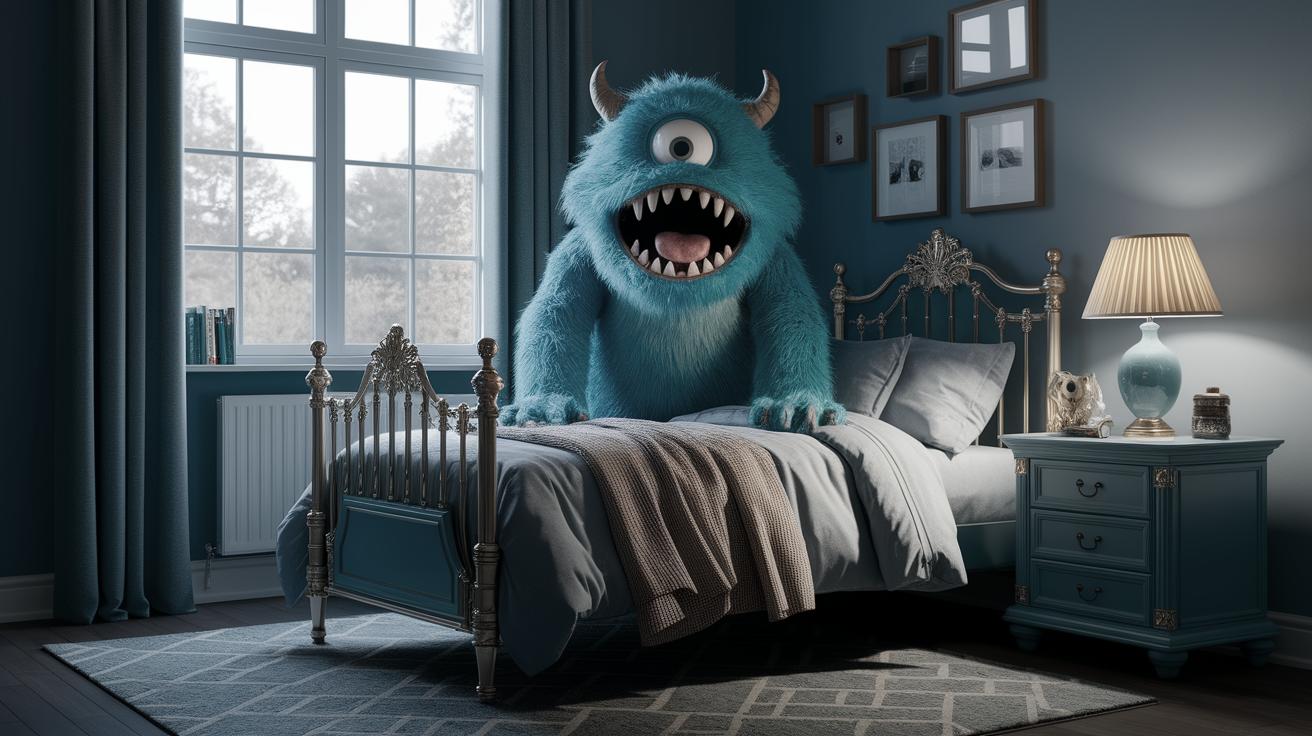
The Monster Under the Bed: A Tale of Fear and Imagination
Throughout generations, the concept of a monster lurking under the bed has captured the fascination and fear of children and adults alike. This blog delves into the enigma of this imaginary creature, exploring its roots in folklore, its psychological implications, and how it has been depicted in popular culture. We also examine its role in childhood development and creativity. By understanding the mythology and meaning behind the monster under the bed, we can confront our own fears and harness imagination as a powerful tool for personal growth.
Origins in Folklore and Mythology
The monster under the bed is not merely a modern-day invention but has roots steeped in various folkloric traditions from around the world. Many cultures have their own versions of creatures that inhabit dark corners and empty spaces within our homes. In Western folklore, such figures as the boogeyman or boggart often play the role of the unseen terror that emerges to frighten disobedient children into submission. These myths serve as cautionary tales, attempting to shape the behavior of young listeners through fear and the power of imagination.
In ancient mythology, stories of creatures inhabiting the night were not uncommon. For instance, in Greek mythology, Hecate, the goddess associated with magic and ghosts, was often linked to night terrors and fear of the dark. Similarly, the babayaga in Slavic mythology is a fearsome witch who was said to eat children, often associated with the unknown threats hiding in the shadows. The monster under the bed, therefore, emerges as a modern incarnation of these ancient tales, embodying the concept of the unknown — that which is feared yet unseen.
Psychological Implications of Childhood Fears
The fear of a monster lurking under the bed can be closely tied to the natural psychological processes of childhood. Children, with their vivid imaginations and developing worldviews, are inherently prone to experience intense fears, including those related to the dark and the unseen. During early childhood, the boundary between reality and imagination is still quite fluid, offering fertile ground for such fears to take root and flourish.
Psychologists suggest that these fears are a normal part of child development, aligning with the brain’s growing ability to conceptualize threats and the need for security. Addressing these fears involves learning to self-regulate and develop coping mechanisms, skills that serve children well into adulthood. By confronting the ‘monster,’ children learn to differentiate between imaginary threats and real ones, strengthening their skills in emotional resilience and problem-solving.
Representation in Popular Culture
The monster under the bed has become a staple in literary and cinematic narratives, symbolizing both the fear and the intrigue associated with the unknown. From children’s books that whimsically present these creatures as misunderstood beings to horror movies that amplify the terror, these representations provide various lenses through which to understand this ubiquitous character.
One notable portrayal is the animated film
Monsters, Inc.
, which turns the concept of terrifying monsters under the bed into a story of humor and unlikely friendship, thereby destigmatizing the fear. Similarly, the classic bedtime story ‘There’s a Nightmare in My Closet’ by Mercer Mayer uses humor and imagination to disarm nighttime fears. These cultural interpretations highlight our evolving relationship with this creature, shifting it from a figure of fear to one of play and understanding.
The Role in Childhood Development and Creativity
Storytelling about monsters, especially the one under the bed, can serve as a catalyst for creativity in children. Through engaging with these mythical creatures, children are encouraged to explore their imagination and engage in forms of creative expression. The process of drawing, writing, or crafting tales about these monsters can be significant in developing narrative skills as well as emotional literacy.
Moreover, addressing the monsters under the bed allows children to engage in play-based learning, important for social and cognitive development. As they navigate their fears through storytelling, children gain a better understanding of the emotions involved, allowing them to express themselves more openly. Ultimately, the monster under the bed can transform from a source of anxiety to one of empowerment, fostering a child’s ability to create and innovate.
Lessons Learned from the Monster Under the Bed
| Aspect | Summary |
|---|---|
| Folklore Origins | Draws on global myths and cautionary tales about unseen fears, emphasizing cultural storytelling. |
| Psychological Insights | Highlights normal developmental fears, contributing to emotional growth and resilience in children. |
| Popular Culture | Shows diverse portrayals that transform fear into curiosity and understanding through media narratives. |
| Creative Development | Encourages imagination and expression through engagement with mythical creatures, fostering creativity. |