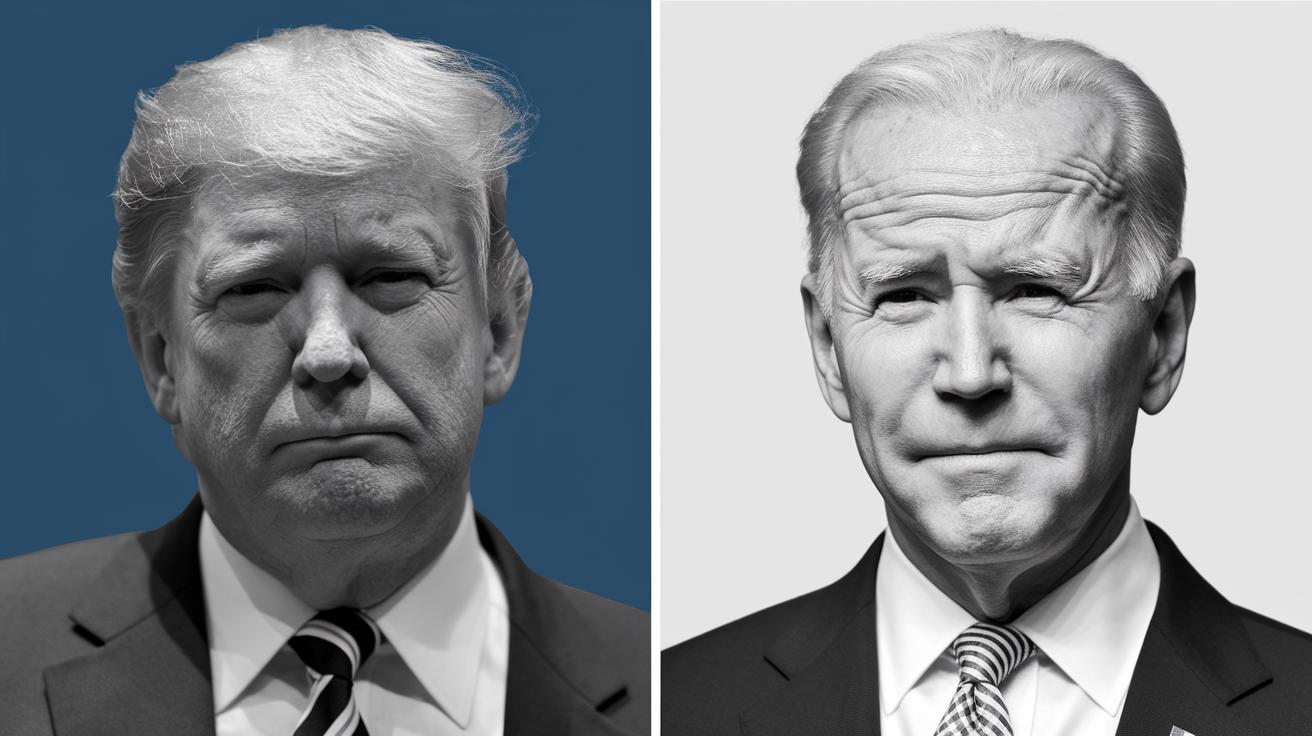
Trump and Biden Polls: An In-Depth Analysis
The political landscape is continuously shifting, and the polling data for Donald Trump and Joe Biden reveal critical insights into these dynamics. This comprehensive blog post delves into the current standings in national and key state polls, explores potential Electoral College outcomes, and reflects on the reliability of polling data. From swing states to a switch from Biden to Harris, each section provides detailed analysis and context. Additionally, this post examines historical trends, explores how averages have evolved, and assesses the latest Harris vs. Trump polling numbers. This multifaceted exploration aims to provide readers with a profound understanding of the ongoing electoral intricacies.
Who’s leading the polls?
In the highly competitive race between Trump and Biden, the polls provide a snapshot of voter sentiment. While national polls indicate broader trends, state-specific data often hold the key to understanding the overall electoral landscape. These snapshots evolve as campaign strategies and political discourse shift public opinion.
National polling average
At the national level, polling averages offer a general sense of which candidate holds the lead across the country. While these figures are crucial for gauging overall support, they cannot predict Electoral College outcomes due to their focus on the popular vote. Nevertheless, a consistent lead in national averages can signify a strong position for a candidate.
Pennsylvania
Pennsylvania remains a pivotal battleground, carrying a significant number of electoral votes. Recent polls suggest fluctuating support for both candidates, with voter turnout likely to be a decisive factor. Historically, Pennsylvania has swung back and forth, adding an element of unpredictability to the election.
Nevada
Nevada’s polls show a competitive race, with slight advantages altering between candidates. Economic concerns and demographic shifts play a critical role in influencing voters’ decisions, making it essential for candidates to address these issues directly.
North Carolina
North Carolina is yet another state with a reputation for being a swing state. Recent data indicates a tight race, with both Trump and Biden investing heavily in campaign efforts. Critical issues like healthcare and education are at the forefront of voters’ minds, shaping the poll outcomes.
Michigan
In Michigan, the polls suggest a tight competition, with each candidate striving to mobilize both urban and rural voters. The manufacturing sector’s decline and its economic impact are pivotal talking points that drive voter sentiment here.
Wisconsin
Wisconsin’s status as a battleground state is evident in the close polling numbers. Candidates focus on trade policies and agricultural issues to persuade undecided voters. Historically, small shifts in polling can significantly impact the state’s ultimate decision.
Georgia
Georgia’s emerging status as a competitive state is reflected in neck-and-neck polling results. Demographic changes, particularly with urbanization and an increase in younger voters, are influencing the political landscape and increasing the stakes for both parties.
Arizona
Arizona has become a focus due to its shifting demographics and political attitudes. The close polls highlight this change, with immigration policies and border security serving as major campaign themes. Both candidates are keenly aware that securing Arizona could be critical to their electoral success.
Explore Electoral College scenarios
Navigating the complex web of the Electoral College is vital in understanding how each state’s outcome affects the overall presidential election. Scenarios based on current polling data illustrate potential pathways to victory for both Trump and Biden.
In this context, swing states become even more crucial. States like Pennsylvania, Wisconsin, and Michigan could play pivotal roles in tipping the Electoral College balance. Projections based on poll averages are used by analysts to create various scenarios each candidate might face.
Predictions entail considerable uncertainties due to shifting voter sentiments, which underscore the importance of ground campaigns and strategies focused on key demographic groups. Evaluating optimal paths for each candidate offers insights into strategic priorities and emphasizes the importance of campaign adjustments.
State averages and past results
Swing states
Swing states exert outsized influence in presidential elections due to their unpredictability and balance of power. Examining their state averages in contrast to past results helps identify patterns and forecasts possible election outcomes. Tracking changes over electoral cycles reveals areas where both parties have gained or lost ground.
Historical trends in states like Ohio and Florida serve as bellwethers for predicting national outcomes, often reflecting broader electoral pivots. Campaign strategies emphasizing local concerns help candidates maximize gains in these strategically significant regions.
Other states
While swing states capture headlines, understanding broader state averages remains crucial. Non-swing states contribute to the larger electoral puzzle as they often set baselines for party support. Examining trends in these regions can help explain broader national shifts, including demographic changes and evolving cultural attitudes.
These states often act as strongholds for either Republicans or Democrats, making them critical for each party’s overall strategy. Assessing shifts within these regions helps both analysts and campaigns measure the effectiveness of political messaging and engagement strategies over time.
How wrong might the polls be?
Despite their importance, polling data are not infallible. The margin of error and various methodological challenges can lead to significant discrepancies between predicted and actual outcomes. Understanding these inaccuracies is crucial in evaluating poll reliability.
Polling errors can arise due to factors such as sampling biases, nonresponse issues, and unpredictable voter turnout. Historical examples demonstrate how such errors have led to surprises, sparking debates over polling techniques and adjustments required for accuracy.
Continuous improvements in technology and methodology aim to reduce these discrepancies, yet voters remain unpredictable entities, influenced by dynamic and evolving political landscapes. Acknowledging these limitations emphasizes a cautious interpretation of polling data in political analysis.
The latest Harris vs. Trump polls
The entry of Kamala Harris into the polling landscape against Donald Trump introduces new dynamics into the race. As Vice President, Harris’s policy positions and personal appeal influence polling numbers, offering a comparative dimension to Biden.
Polls capturing Harris’s performance against Trump reveal shifts in voter perceptions. Favorability ratings, gender dynamics, and specific issue stances contribute to her positioning relative to traditional Democratic strongholds and swing states.
Analyzing these polls provides a glimpse into potential future electoral battles, particularly as they reflect voter appetites for diversity and change within political leadership. Harris’s presence on the ticket extends the narrative beyond Biden, potentially affecting turnout and enthusiasm in key voting blocs.
How the averages have changed
Tracking changes in polling averages over time highlights critical shifts in political tides and campaign effectiveness. These changes often reflect pivotal moments such as campaign events, debates, or emerging issues impacting public opinion.
Observing these trends aids in comprehending the ebb and flow of political support. For instance, analyzing data before and after major policy announcements or controversies offers insights into their resilience and efficacy.
The evolving nature of these averages necessitates an ongoing analytical approach, where shifts are understood in the context of a broader electoral narrative. Such analysis informs both strategic adaptations and public expectations around election day outcomes.
From Biden to Harris
Presidential Polls
The potential transition from Biden to Harris as the focal point of Democratic polling efforts reflects not only on succession planning but also voters’ perspectives on party leadership dynamics. This change would involve assessments of Harris’s presidential appeal and prospective electoral influence.
Polls scrutinizing this dynamic explore voters’ readiness to embrace Harris in a presidential capacity, considering factors like experience, electability, and policy preferences. The transition period poses opportunities and challenges for the Democratic Party as they navigate identity and message consistency.
Senate Polls
Parallel to presidential considerations, Harris’s role influences Senate race dynamics, with her past and present stances impacting polling for down-ballot Democratic candidates. This interconnectedness underlines the importance of cohesive strategies across party leadership structures.
Assessing Senate polls in this light helps determine Harris’s contribution to broader Democratic efforts and outcomes at the congressional level. Focused strategies can directly impact Senate control, further informing the executive-legislative relationship and policymaking.
Credits
This analysis relies on data aggregated from reputable polling organizations and political analyses and offers insights derived from ongoing electoral research.
The thoughtful contributions from political scientists and commentators enrich the discourse around polling accuracy, electoral strategies, and campaign narratives.
Summary of main points
| Section | Key Points |
|---|---|
| Who’s leading the polls? | Current standings in national and key state polls for Trump and Biden. |
| Explore Electoral College scenarios | Potential pathways to victory for each candidate based on state poll data. |
| State averages and past results | Analysis of swing and non-swing states’ voting trends and influences. |
| How wrong might the polls be? | Examination of potential inaccuracies in polling data and their implications. |
| The latest Harris vs. Trump polls | Exploration of Kamala Harris’s introduction into polling dynamics. |
| How the averages have changed | Observation of shifts in political support over time based on polls. |
| From Biden to Harris | Potential implications of a leadership shift within the Democratic strategy. |